




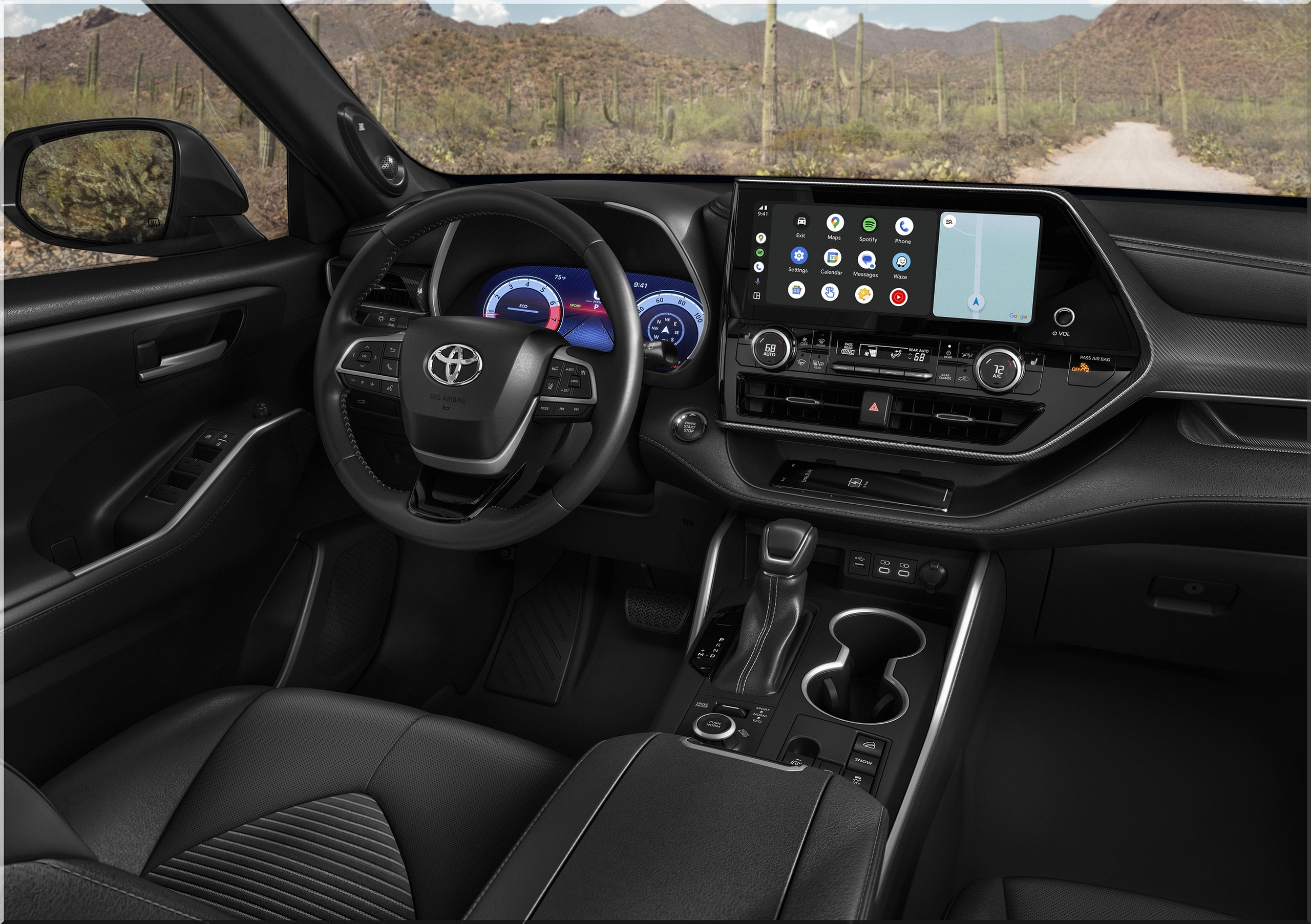
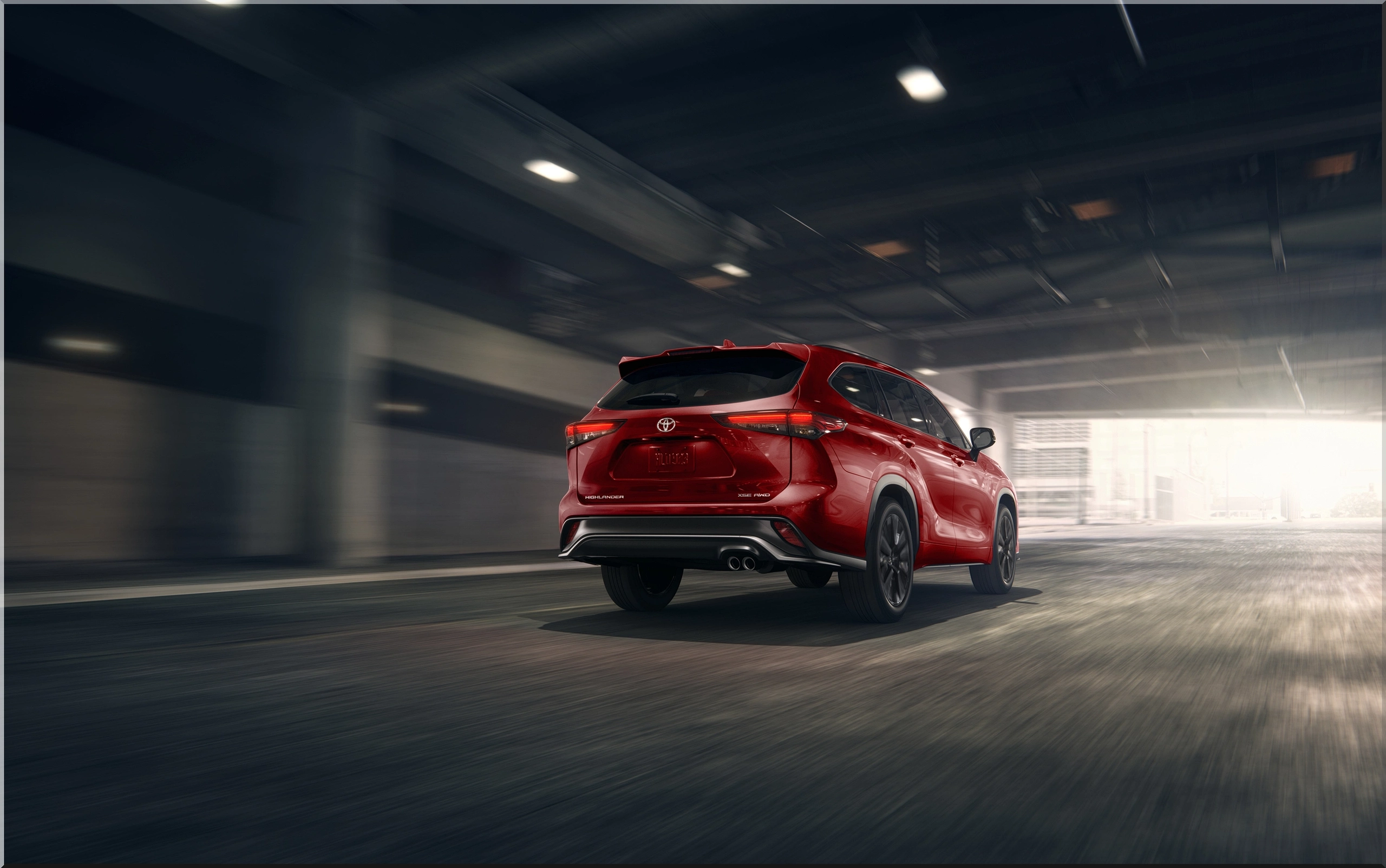
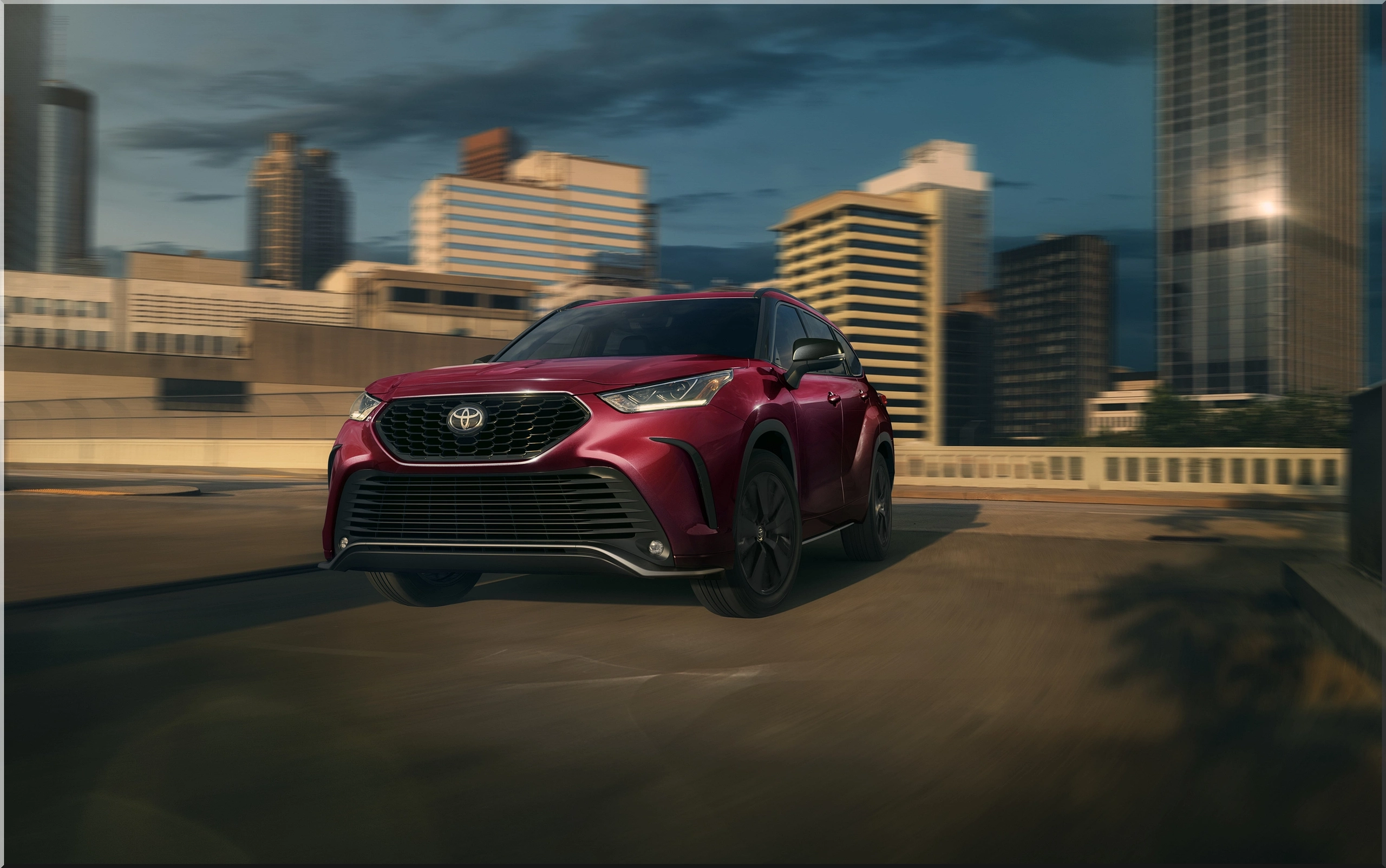
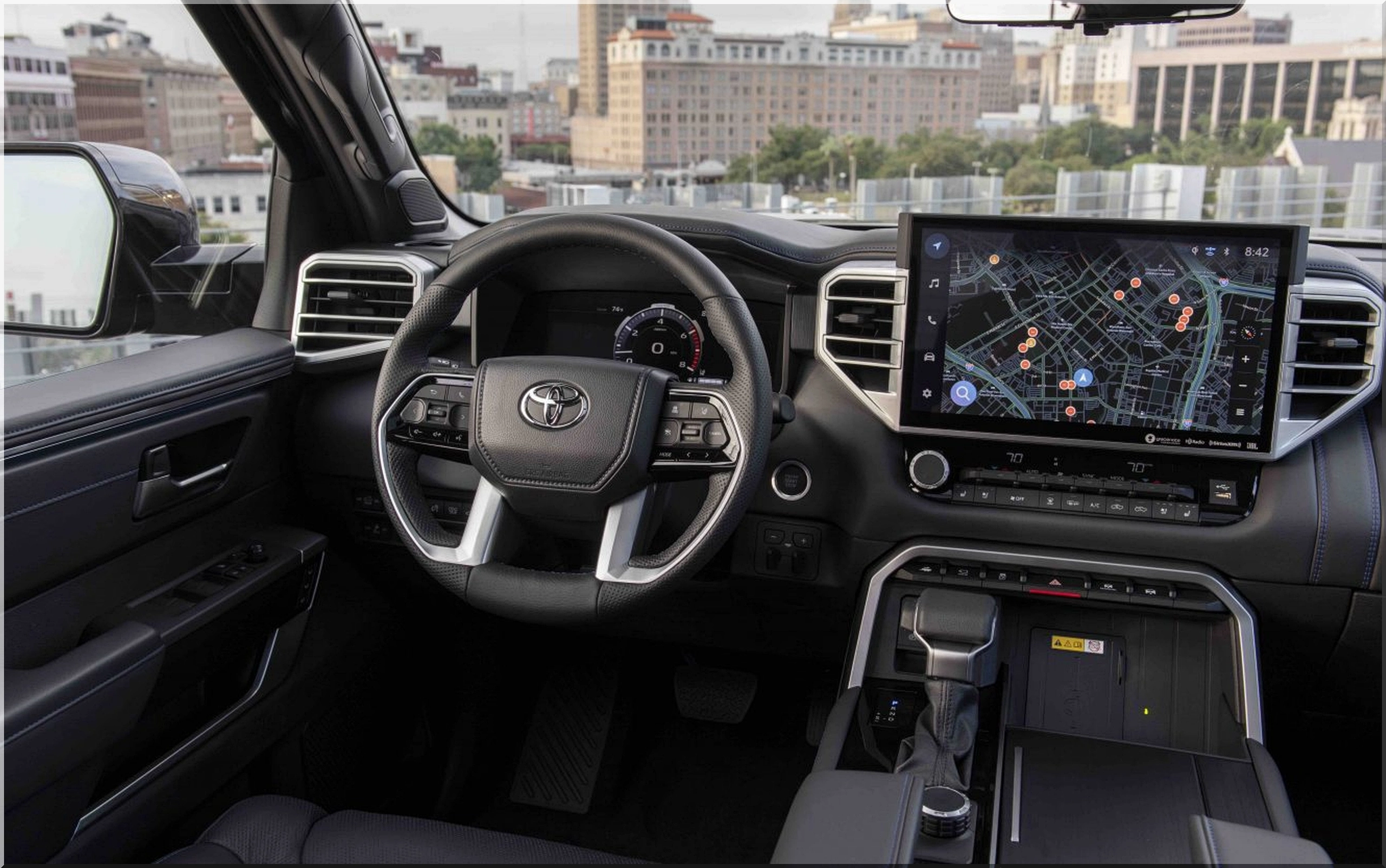
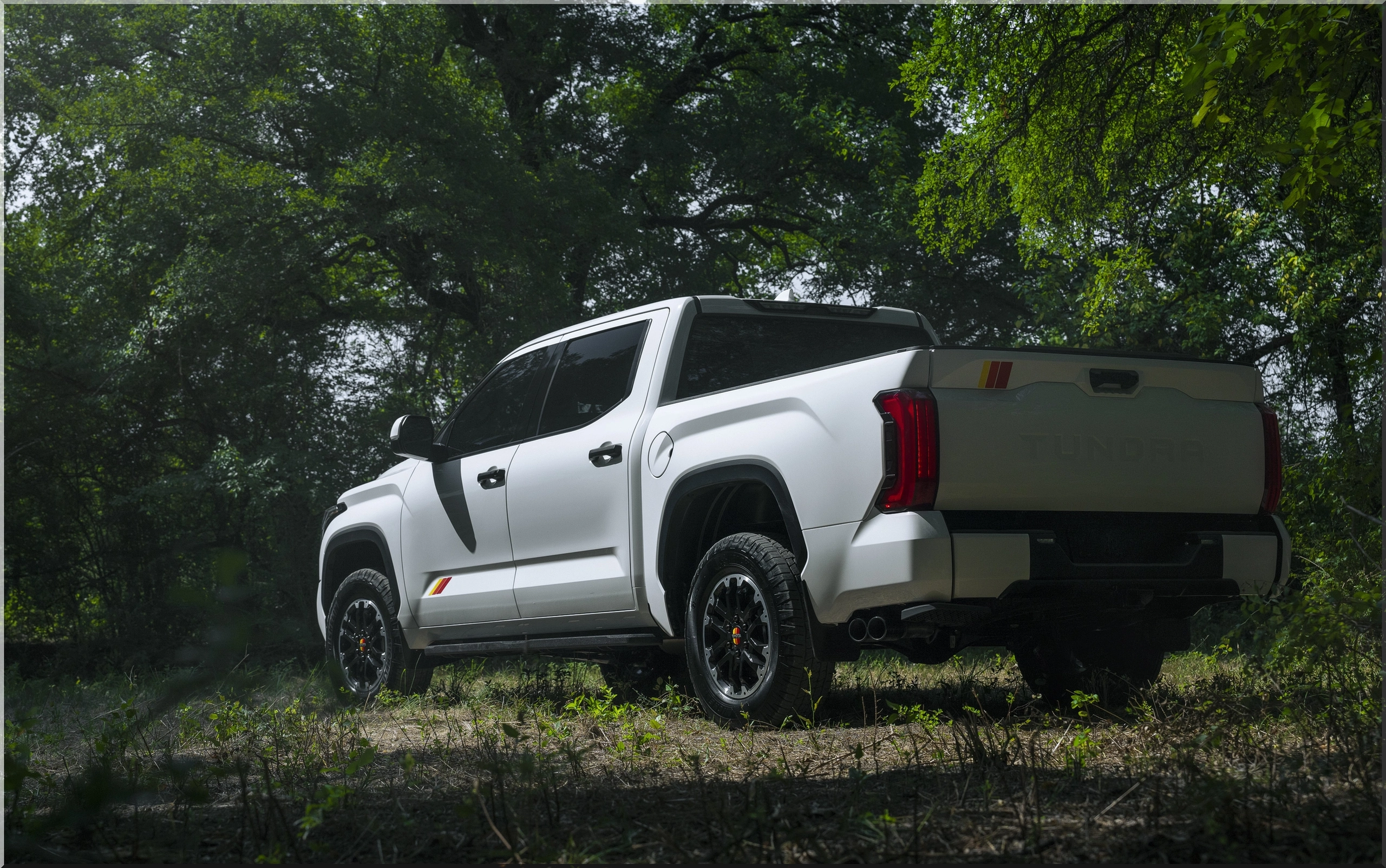
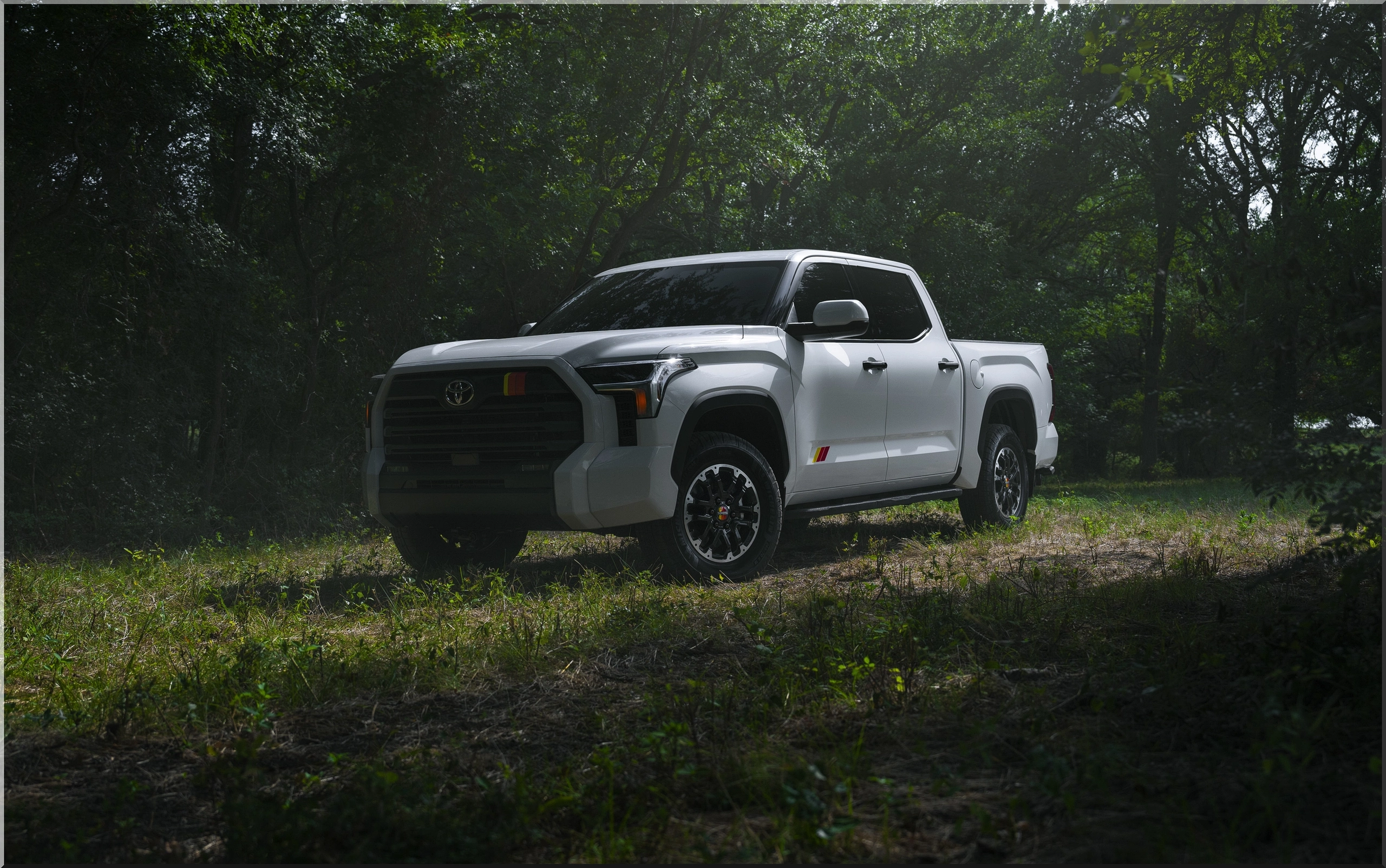
Toyota Motor Corporation is currently performing a logistical comedy act by importing the American-built Tundra and Highlander to Japan. This strategic maneuver brings Texas-sized displacement to a country where engine size determines your social and financial standing. While Toyota markets these vehicles as premium additions, the fuel economy figures represent a dark joke for any local driver.
The punchline lies in the definition of efficiency. In the United States, the i-FORCE MAX powertrain receives praise for its hybrid assist. In Tokyo, however, a vehicle that struggles to achieve 20 miles per gallon (MPG) acts as a literal drain on resources. Most Japanese drivers operate Kei cars with 0.6-liter engines that sip fuel at three times the efficiency of a full-size pickup.
Looking at the data, the Toyota Tundra is a mechanical outlier. It features a twin-turbo V6 hybrid that generates 437 horsepower. This power is useful for towing a boat in Houston but serves no purpose when crawling through Shinjuku at five miles per hour. Consequently, the Tundra hybrid uses more fuel while idling than a standard Japanese hybrid uses during an entire commute.
The Mathematical Absurdity of American Efficiency
Japanese road tax, known as jidousha-zei, increases based on engine displacement in 500cc increments. The Tundra's 3.4-liter engine places it in a luxury tax bracket that would make a sensible person wince. When you add the heavy vehicle tax based on its 5,500-pound curb weight, the Tundra becomes a rolling liability.
| Vehicle Type | Engine Size | Est. Annual Road Tax (USD) | Est. Fuel Cost per 100km (USD) |
|---|---|---|---|
| Toyota Tundra | 3.4L Hybrid | $580 | $18.50 |
| Toyota Highlander | 2.4L Turbo | $450 | $14.20 |
| Toyota Prius (Japan Spec) | 1.8L Hybrid | $360 | $5.10 |
| Standard Kei Car | 0.6L | $108 | $4.20 |
The table above illustrates the massive financial friction facing potential owners. From an expert perspective, the Highlander is only slightly less offensive. It utilizes a 2.4L turbocharged engine that lacks the extreme efficiency of Toyotas smaller, Japan-focused hybrids. By comparison, the Highlander burns nearly three times the fuel of a local Toyota Yaris Hybrid.
Engineering for a Market That Does Not Exist
The Tundra uses a two-chamber torque converter designed to handle 583 lb-ft of torque. This engineering choice allows for massive towing capacity, which is a key metric in North America. In Japan, however, the maximum legal speed on most expressways is 100 km/h (62 mph), and heavy trailers are virtually non-existent.
Specifically, the Tundra's multi-link rear suspension and massive footprint make it a nightmare to park. Most Japanese parking spots are designed for vehicles under 185 inches in length. The Tundra extends to 233.6 inches, meaning the truck will literally stick out into the street. In addition, the turning radius of 24.3 feet makes a simple U-turn impossible on most city roads.
The Fuel Economy Joke: Broken Down
- The Hybrid Myth: Calling the Tundra a "hybrid" in Japan is like calling a shark a "swimmer"—it is technically true but misses the terrifying scale of the thing.
- Idling Waste: Large displacement engines consume significant fuel even when stopped, making the i-FORCE MAX inefficient in heavy Tokyo congestion.
- Weight Penalty: Every time the Tundra accelerates, it must move over two tons of steel, negating any benefits of the electric motor.
- Pump Shock: With Japanese gas prices hovering near $6.00 per gallon, filling a 32-gallon Tundra tank costs nearly $200.
Why This Move Defies Global Automotive Logic
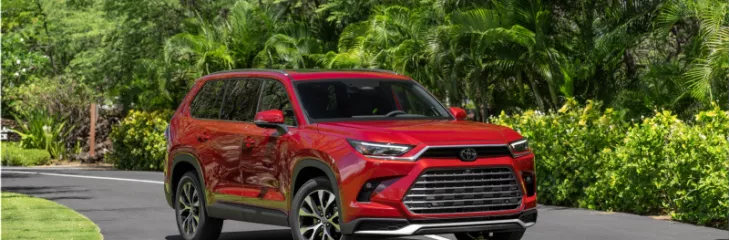
Toyota is essentially importing a product that ignores the environmental regulations and spatial limitations of its home market. While the TNGA-K platform of the Highlander provides a refined ride, it occupies too much of the road. Specifically, the Highlander's 76-inch width leaves very little room for error on narrow Japanese bypasses.
From an expert perspective, this move targets a tiny segment of "Americana" collectors. These individuals value the left-hand drive layout and the "Made in USA" pedigree more than actual utility. They are willing to pay the displacement tax and ignore the terrible fuel economy to stand out. Consequently, Toyota does not expect to move high volumes; they are simply cleaning out their Texas inventory for a premium.
| Specification | Tundra (U.S. Import) | Land Cruiser 300 (Japan Spec) |
|---|---|---|
| Horsepower | 437 hp | 409 hp |
| Combined MPG | 20 MPG | 23 MPG |
| Width | 80.2 inches | 78.3 inches |
| Approach Angle | 21 Degrees | 32 Degrees |
Looking at the data, even the legendary Land Cruiser 300 is more compact and efficient than the Tundra. The Land Cruiser is the gold standard for rugged utility in Japan, yet Toyota still thinks there is room for the oversized Tundra. This suggests a marketing experiment rather than a logical expansion of the fleet.
Financial Friction and the Hidden Costs of Size
The cost of ownership for these U.S.-made trucks extends beyond the pump. Maintenance requires specialized parts that may not be stocked at every local Toyopet dealer. While Toyota provides a warranty, the lead time for body panels or i-FORCE MAX components could take weeks. This creates an operational headache for anyone using the truck as a daily driver.
In addition, the Highlander struggles to justify its existence against the local Toyota Harrier. The Harrier offers a similar luxury experience with a footprint specifically designed for Japanese garages. By comparison, the Highlander feels like a bloated alternative that offers more seats at the cost of maneuverability.
Definitions
- i-FORCE MAX: A performance-oriented hybrid system that prioritizes torque over fuel-sipping efficiency.
- Jidousha-zei: The annual Japanese automobile tax based on engine size, a primary deterrent for large engine imports.
- Kei Car: A Japanese vehicle category for the smallest highway-legal passenger cars, restricted by engine size and dimensions.
Pro-Tip: The Hidden Toll of the Tundra
Before buying an imported Tundra in Japan, verify the toll classification. Due to its weight and width, the Tundra often falls into the "Medium-Sized" or "Large-Sized" vehicle categories on Japanese toll roads. This can double the cost of your weekend trip to Mount Fuji compared to a standard SUV.
What now?
If you are a Japanese driver looking for a vehicle that fits your life, look elsewhere. The Toyota Tundra and Highlander are oversized, thirsty, and physically incompatible with the Japanese road system. This move by Toyota is a bold, perhaps foolish, attempt to sell American excess to a market that literally has no room for it. For the few who buy them, the joke will be on their bank accounts every time they hit the gas.
















Comments
buy mdpv online
Hi,
I came across your website and thought you might be interested in a resource that explores the long-term effects of MDPV exposure on brain health and cognitive function. The article explains, in an easy-to-understand way, how repeated stimulant use can impact dopamine balance, mood, memory, decision-making, and overall cognitive performance.
It also highlights early warning signs of cognitive decline, practical brain-health tips, and safer alternatives for people seeking improved focus and energy. We believe your readers would find value in the article's educational approach, especially those interested in neuroscience, mental health, substance awareness, or cognitive wellness.
If you think it would be a useful addition to your existing content, we'd be grateful if you would consider linking
[https://psychedelicplugonline.com/product/buy-mdpv-mdpv-for-sale-where-to-buy-mdpv-buy-mdpv-online-usa/] to it as a resource for your audience.
Thank you for your time and consideration. Please let me know if you'd like to take a look at the article or discuss a potential collaboration.
Best regards,