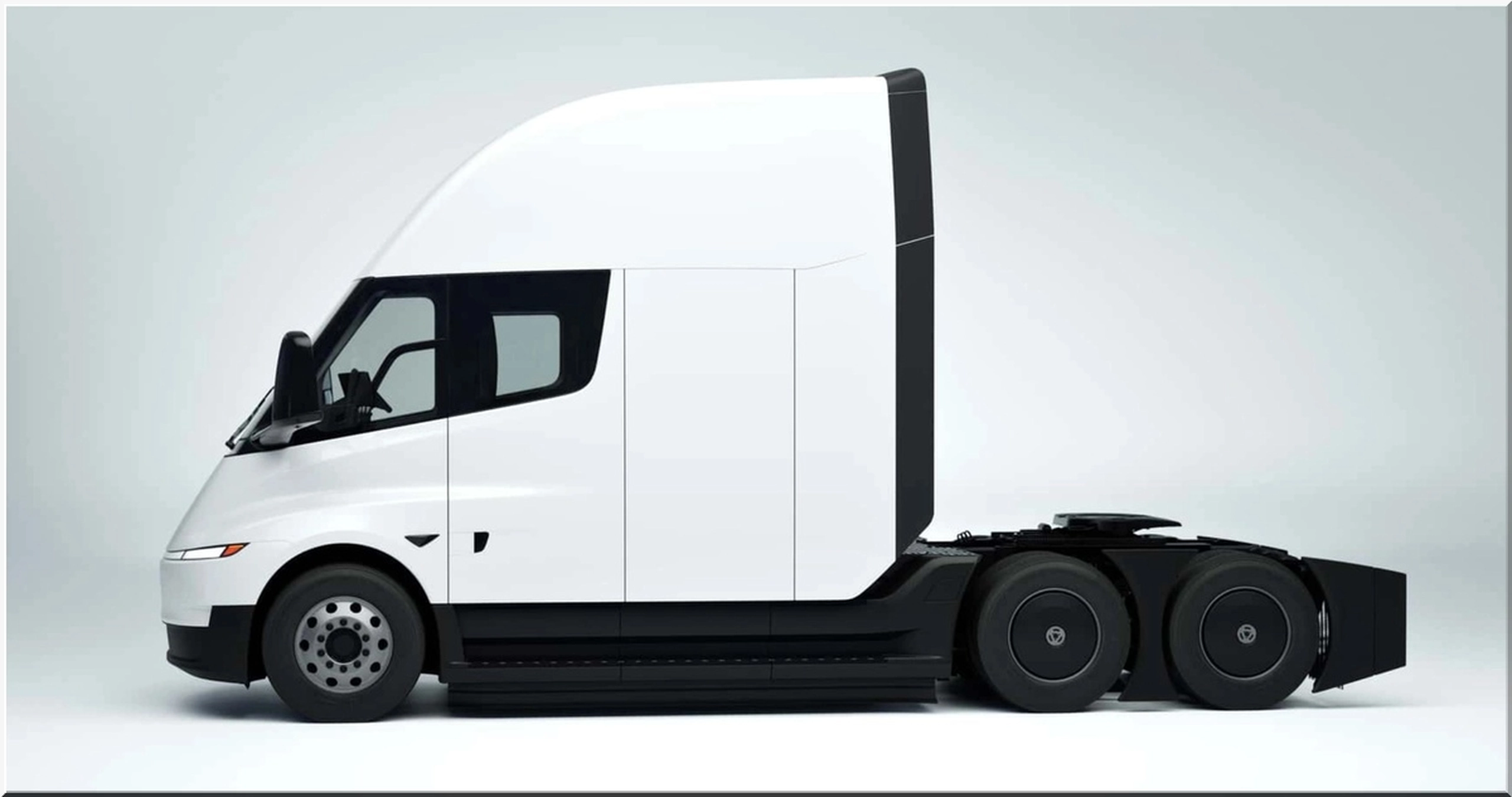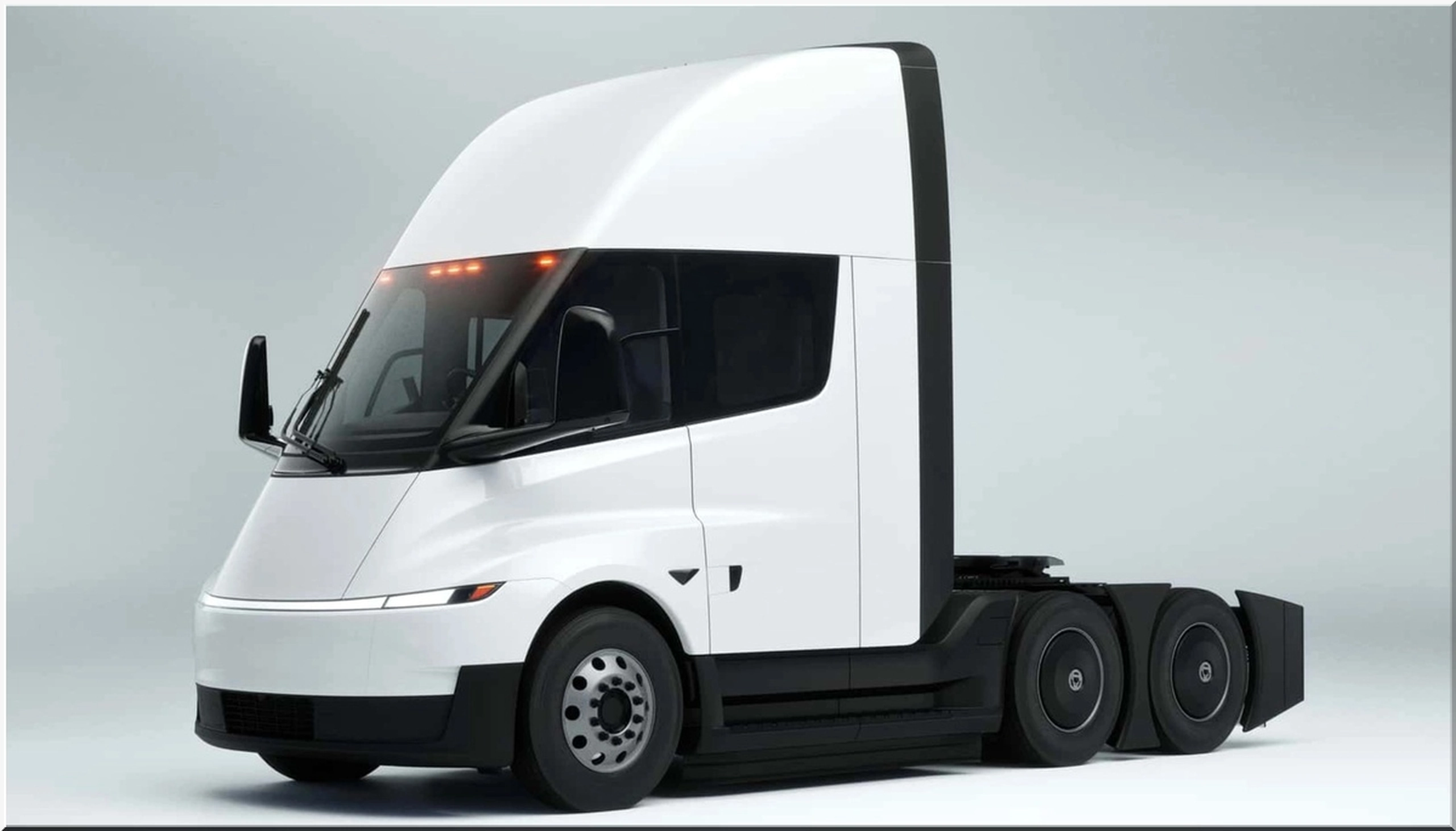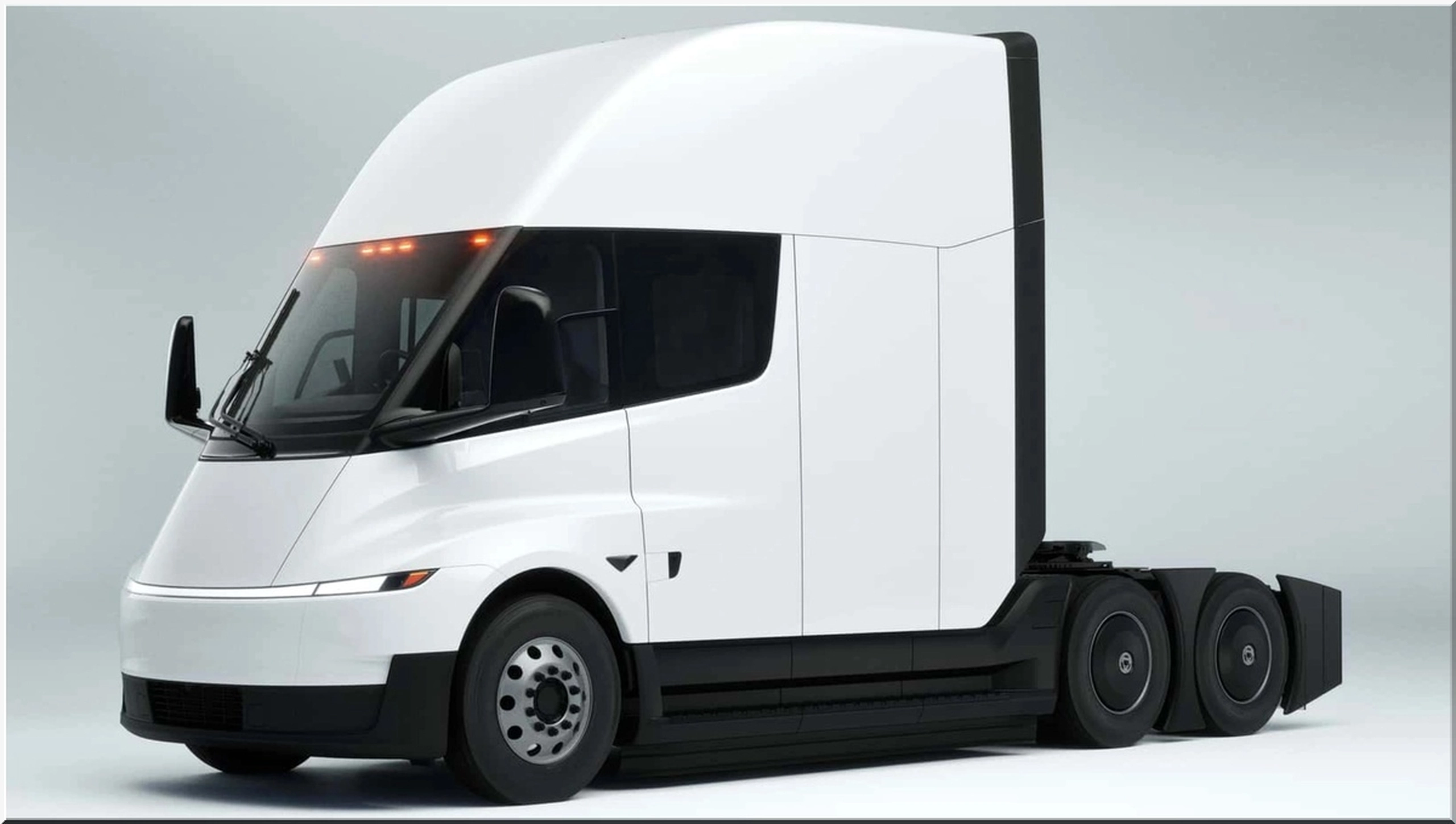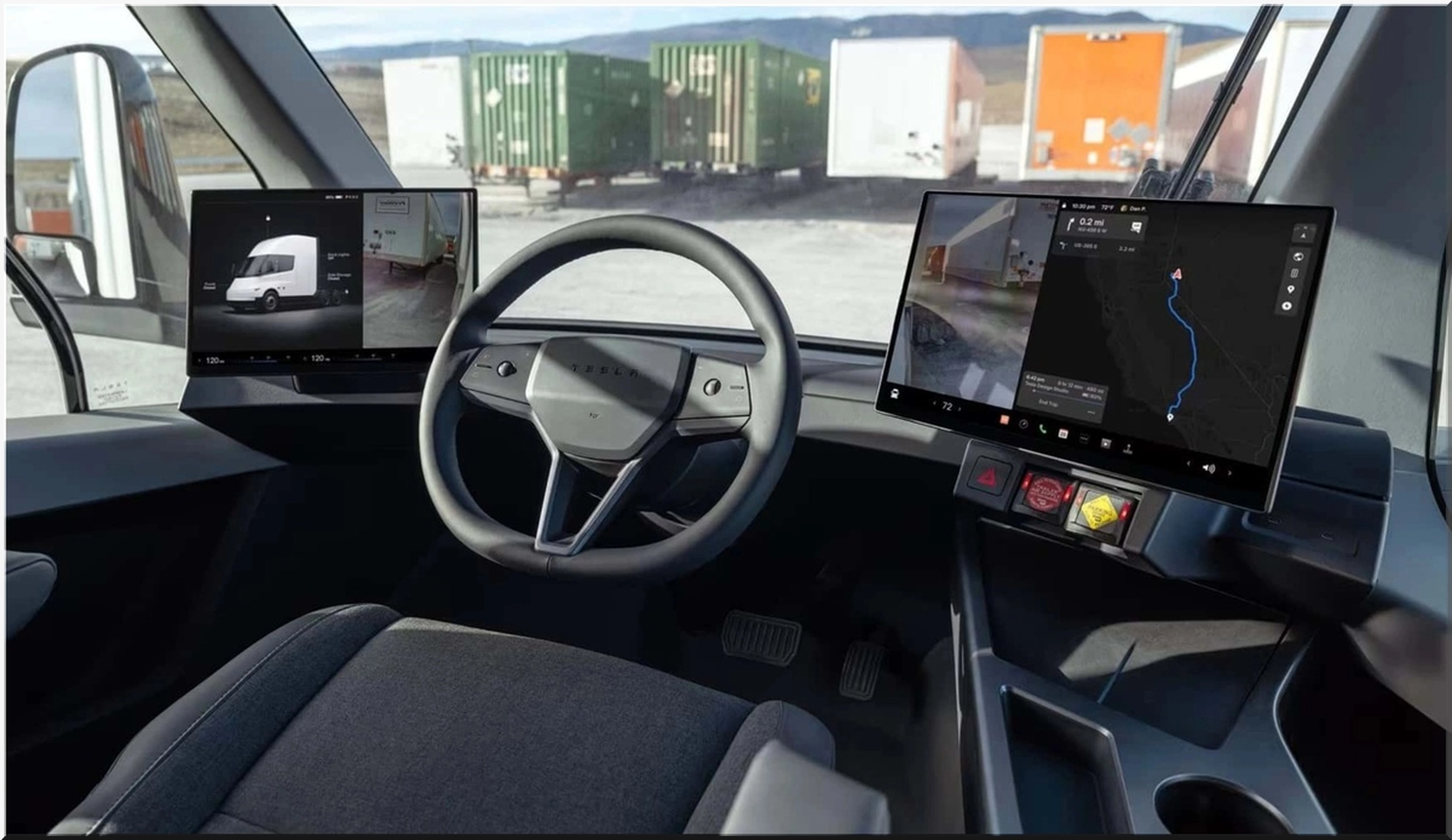



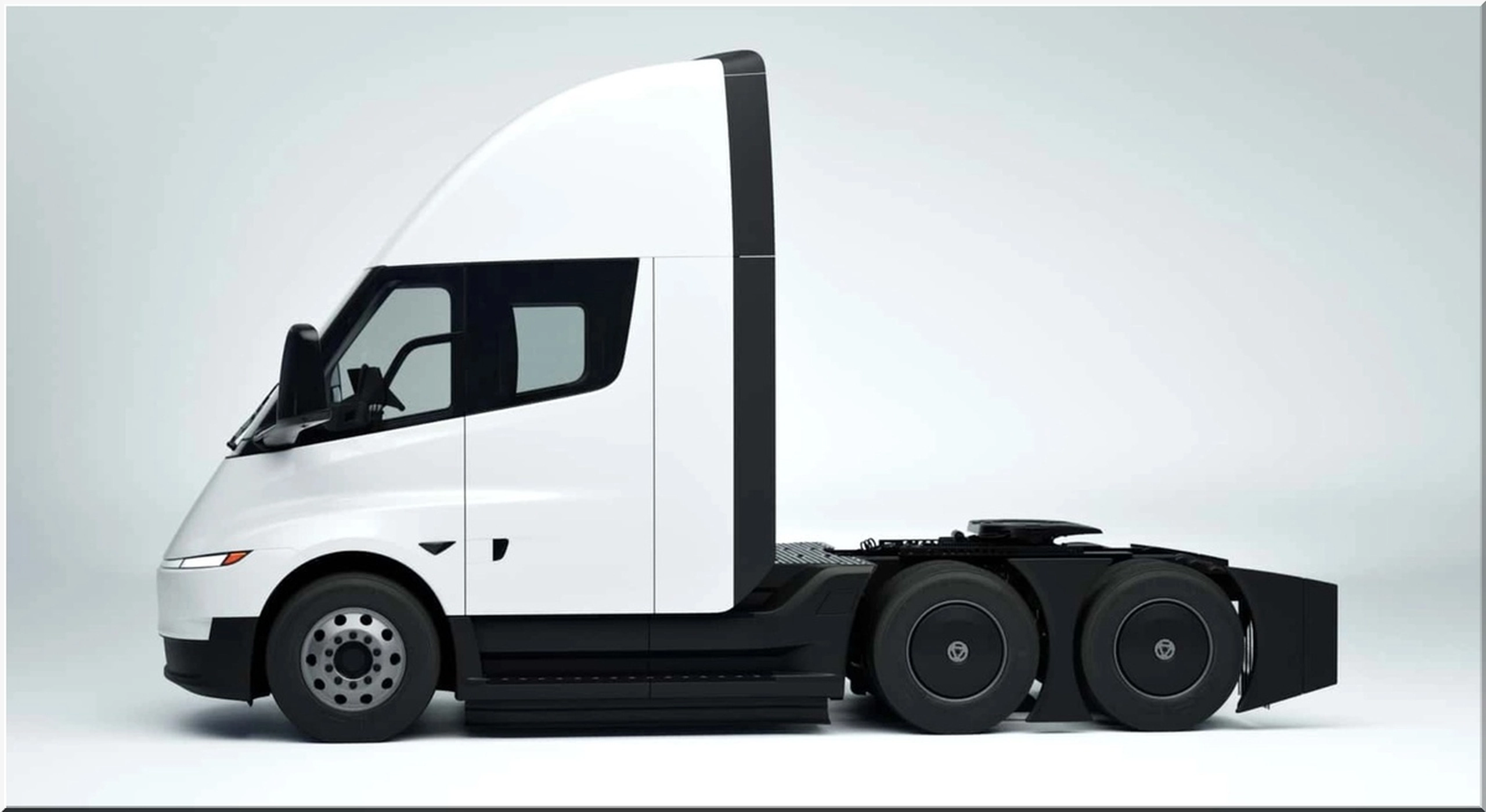
The logistics industry has spent years dissecting limited telemetry data to understand the true energy capacity of the Tesla Semi. The guessing game concluded this month as official California Air Resources Board (CARB) filings confirmed the hardware powering Tesla's Class 8 disruptive force. These filings certify two distinct battery configurations: a massive 822 kWh Long Range pack and a 548 kWh Standard Range pack. This data validates Tesla's aggressive efficiency claims and sets a high-water mark for energy density in the commercial hauling sector.
Dissecting the 822 kWh Long Range Architecture
The 822 kWh battery pack serves as the backbone of the 500-mile variant. To put this into perspective, this capacity is nearly ten times that of a flagship Model S. Tesla achieves this density by utilizing a 1,000-volt powertrain architecture, a shift that allows for higher power throughput without the thermal penalties of lower-voltage systems. Consequently, the truck maintains highway speeds under a full 82,000-pound gross combination weight while keeping energy consumption near the 1.6 to 1.7 kWh per mile threshold.
Looking at the data, the engineering team integrated the battery as a stressed structural member. By housing the cells in a reinforced floor-mounted enclosure, the design lowers the center of gravity significantly. This reduces the risk of jackknifing and roll-overs, common hazards in traditional diesel tractors where the engine and fuel weight sit much higher in the frame.
Tesla Semi Battery Comparison: Capacity vs. Utility
| Metric | Long Range Variant | Standard Range Variant |
|---|---|---|
| Official Capacity | 822 kWh | 548 kWh |
| Certified Range | 500 Miles | 300 Miles |
| Powertrain Voltage | 1,000V | 1,000V |
| Drive Configuration | Tri-Motor (Rear) | Tri-Motor (Rear) |
| Estimated Efficiency | 1.64 kWh/mi | 1.82 kWh/mi |
Thermal Management and the 1 MW Charging Standard
Managing the heat generated by an 822 kWh energy discharge requires more than conventional air cooling. Tesla employs a dual-loop liquid thermal management system that actively regulates cell temperature during both high-load climbs and rapid charging sessions. Specifically, the system utilizes a dedicated heat exchanger that can divert waste energy from the drive units to pre-condition the battery.
This thermal precision is mandatory to support the Megawatt Charging System (MCS). The Semi is engineered to accept charge rates exceeding 1 MW, allowing the Long Range pack to replenish from 10% to 70% in roughly 30 minutes. By comparison, traditional electric trucks often require several hours to recover similar range, which hampers their utility in time-sensitive logistics.
Payload Optimization: The 82,000-Pound Threshold
A primary concern for fleet operators is whether battery mass displaces freight capacity. Federal regulations grant electric Class 8 vehicles a 2,000-pound weight allowance, raising the legal limit to 82,000 pounds. From an expert perspective, Tesla mitigates the weight of the 822 kWh pack by eliminating the heavy internal combustion engine, the multi-speed transmission, and the complex exhaust after-treatment systems found in diesel trucks.
- Mass Reduction: The lack of a 15-liter diesel engine and its cooling hardware offsets the bulk of the battery cells.
- Structural Efficiency: The battery casing doubles as the chassis floor, removing the need for heavy secondary bracing.
- Tire Wear: Distributed weight across the independent rear axles ensures that the 2,000-pound allowance is utilized for cargo rather than just supporting the battery.
Direct Comparison: Tesla Semi vs. The Electric Competition
When stacked against legacy manufacturers, the Tesla Semi battery specs reveal a significant lead in engineering maturity. Most current electric trucks are "compliance vehicles" or conversions of existing diesel platforms. Specifically, the Freightliner eCascadia and Volvo VNR Electric offer battery packs that are 30% to 50% smaller than Tesla's 822 kWh offering.
| Vehicle Model | Max Battery Capacity | Efficiency Target |
|---|---|---|
| Tesla Semi | 822 kWh | ~1.7 kWh/mi |
| Volvo VNR Electric | 565 kWh | ~2.1 kWh/mi |
| Freightliner eCascadia | 438 kWh | ~1.9 kWh/mi |
| Nikola Tre BEV | 733 kWh | ~2.2 kWh/mi |
Consequently, the Semi offers a superior weight-to-range ratio. Looking at the data, the 548 kWh Standard Range model actually outperforms the top-tier batteries of many competitors while maintaining a lighter curb weight. This provides fleet managers with the flexibility to choose a truck that matches their specific route requirements without over-investing in unnecessary battery mass.
Tri-Motor Logic: Efficiency on the Fly
The Tesla Semi does not rely on a single, oversized motor to move 40 tons. Instead, it utilizes three independent motors derived from the Model S/X Plaid. During constant-speed highway cruising, the system automatically decouples two of the motors to minimize mechanical drag. This allows the truck to run on a single high-efficiency motor, effectively acting as a long-distance cruiser.
In addition, the two "acceleration" motors engage instantly when sensors detect a grade or a request for passing power. This seamless transition provides the torque necessary to maintain 60 mph on a 6% grade. By comparison, a diesel truck must cycle through gears, losing momentum and burning fuel at an exponential rate.
Pro-Tip: Fleet operators should evaluate the 548 kWh variant for regional drayage. The lighter pack increases the net payload capacity for heavy goods like liquids or construction materials while providing more than enough range for 8-hour shifts.
Total Cost of Ownership (TCO) and Maintenance
The shift to an 822 kWh electric architecture fundamentally changes the balance sheet for logistics firms. Diesel maintenance is famously expensive, involving complex fuel injection systems, turbos, and particulate filters.
- Regenerative Braking: The Semi uses its motors to slow down, capturing energy and feeding it back into the battery. This reduces wear on the air brakes to the point where they may last the lifetime of the truck.
- Fuel Parity: At average commercial electricity rates, the cost to "fuel" the 822 kWh pack is approximately 40% lower than diesel equivalents.
- Software Integration: Tesla's central computer monitors every cell in the 822 kWh pack, providing real-time health data that prevents catastrophic failures and optimizes charging cycles.
How Does the 1,000V Architecture Benefit Charging?
By utilizing a 1,000-volt system, Tesla reduces the electrical current (amperage) required to deliver massive power. Lower current results in less heat generated in the charging cables and the battery interconnects. This allows the Semi to maintain peak charging speeds for a longer duration of the session, ensuring that a 30-minute stop provides enough energy for the next 350 miles of travel.
Strategic Production in Nevada
Tesla is currently scaling its manufacturing footprint in Nevada to accommodate mass production of the Semi. This expansion is designed to produce 50,000 units annually, a volume that will force battery costs down through sheer scale. In addition, the shift to high-volume production will likely see the introduction of specialized cell chemistries optimized for the high-cycle life required by million-mile commercial vehicles.
Looking at the data, the official CARB filing confirms that Tesla is no longer in the experimental phase. The 822 kWh and 548 kWh battery specifications represent a production-ready reality. For the trucking industry, these numbers provide the technical foundation needed to justify the transition from internal combustion to electric propulsion.