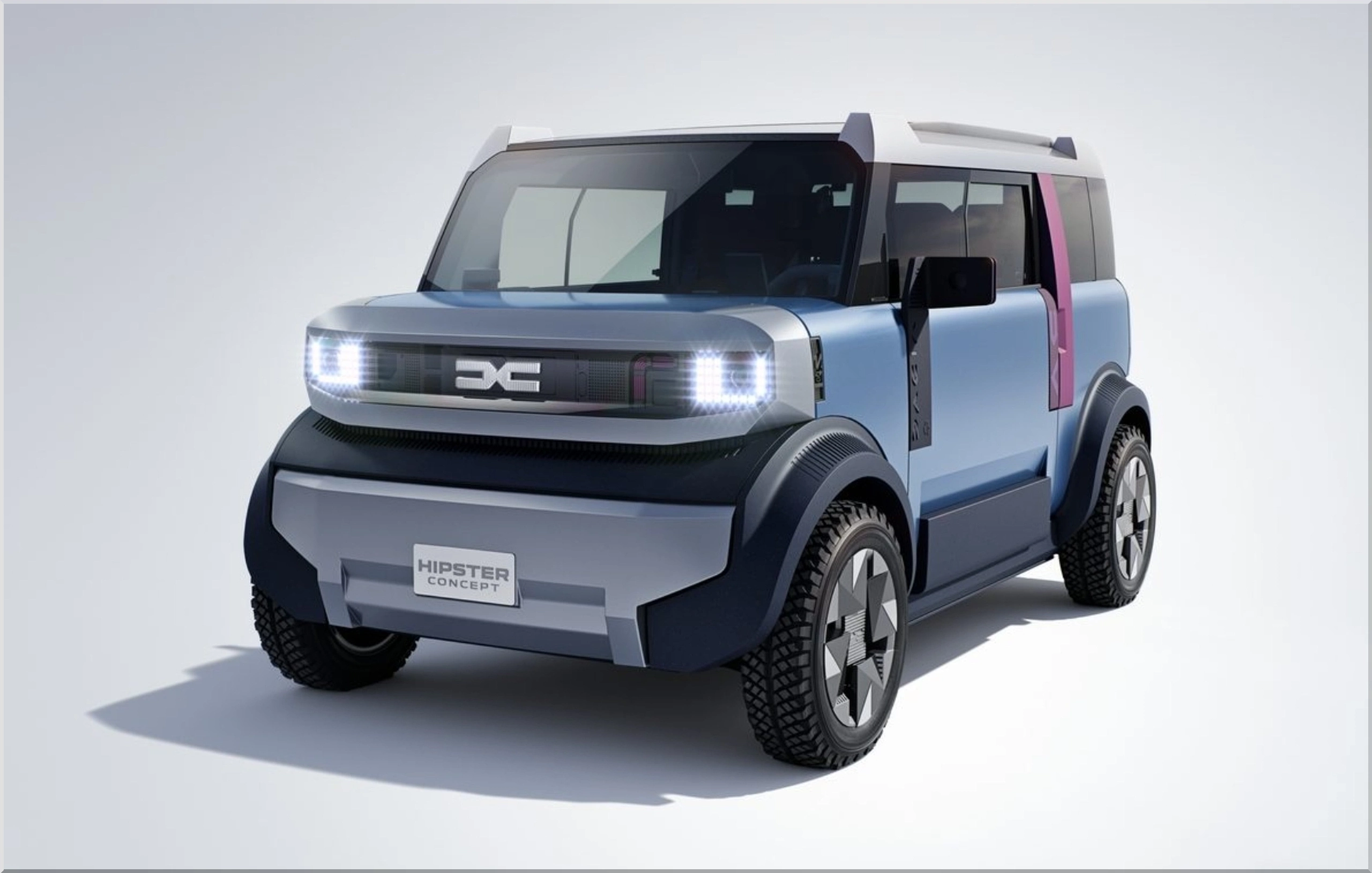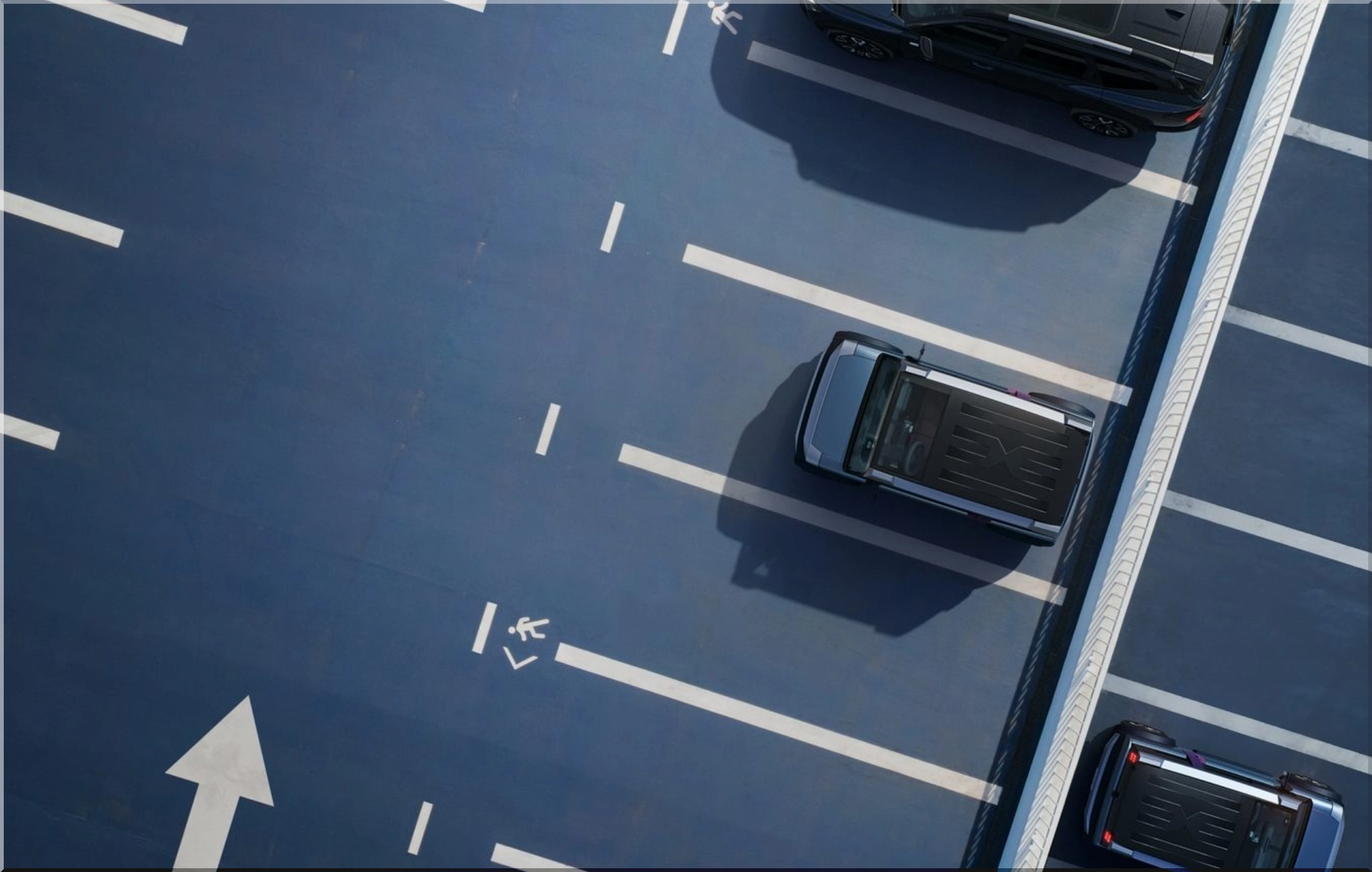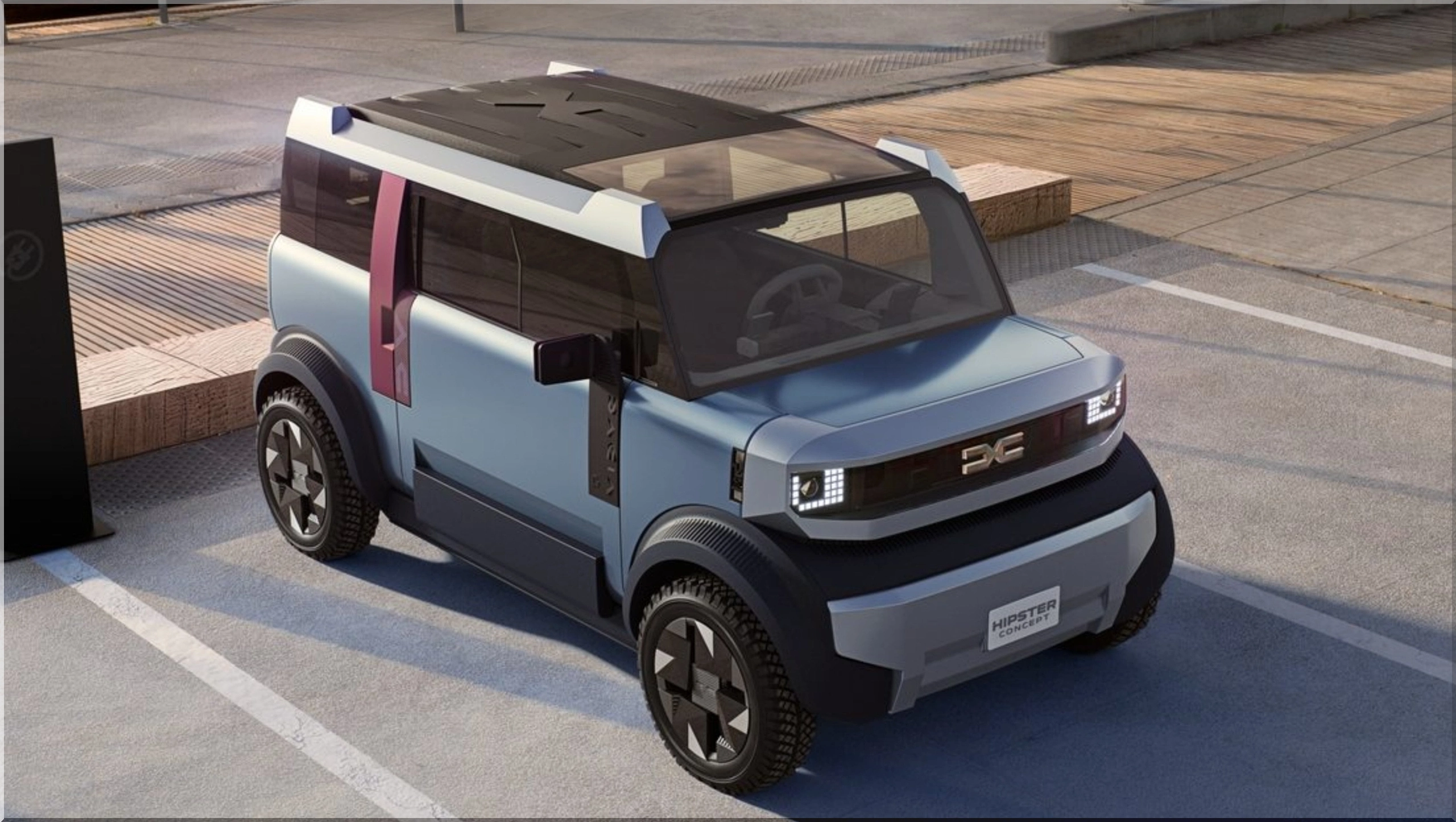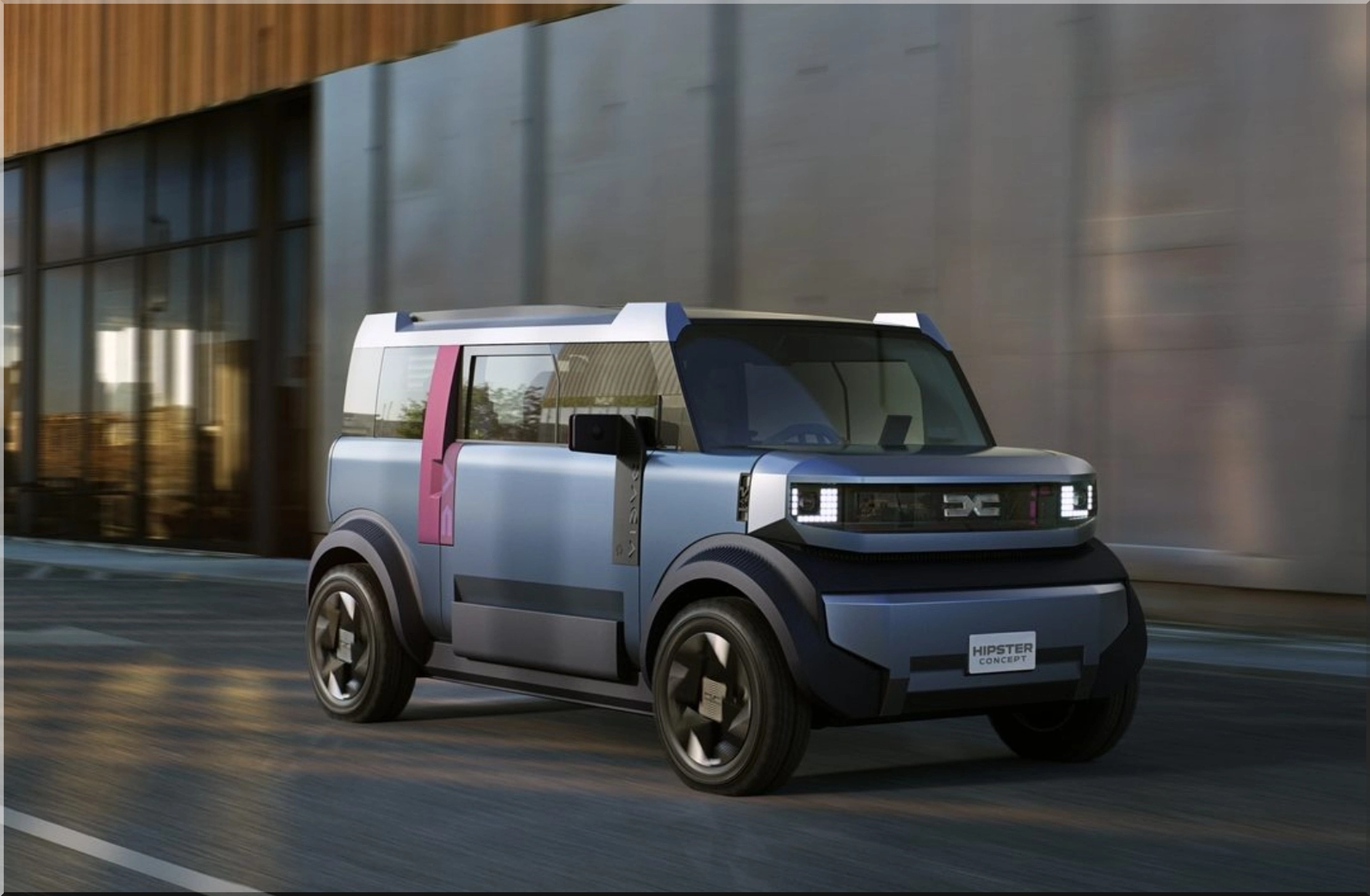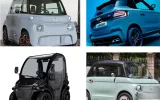

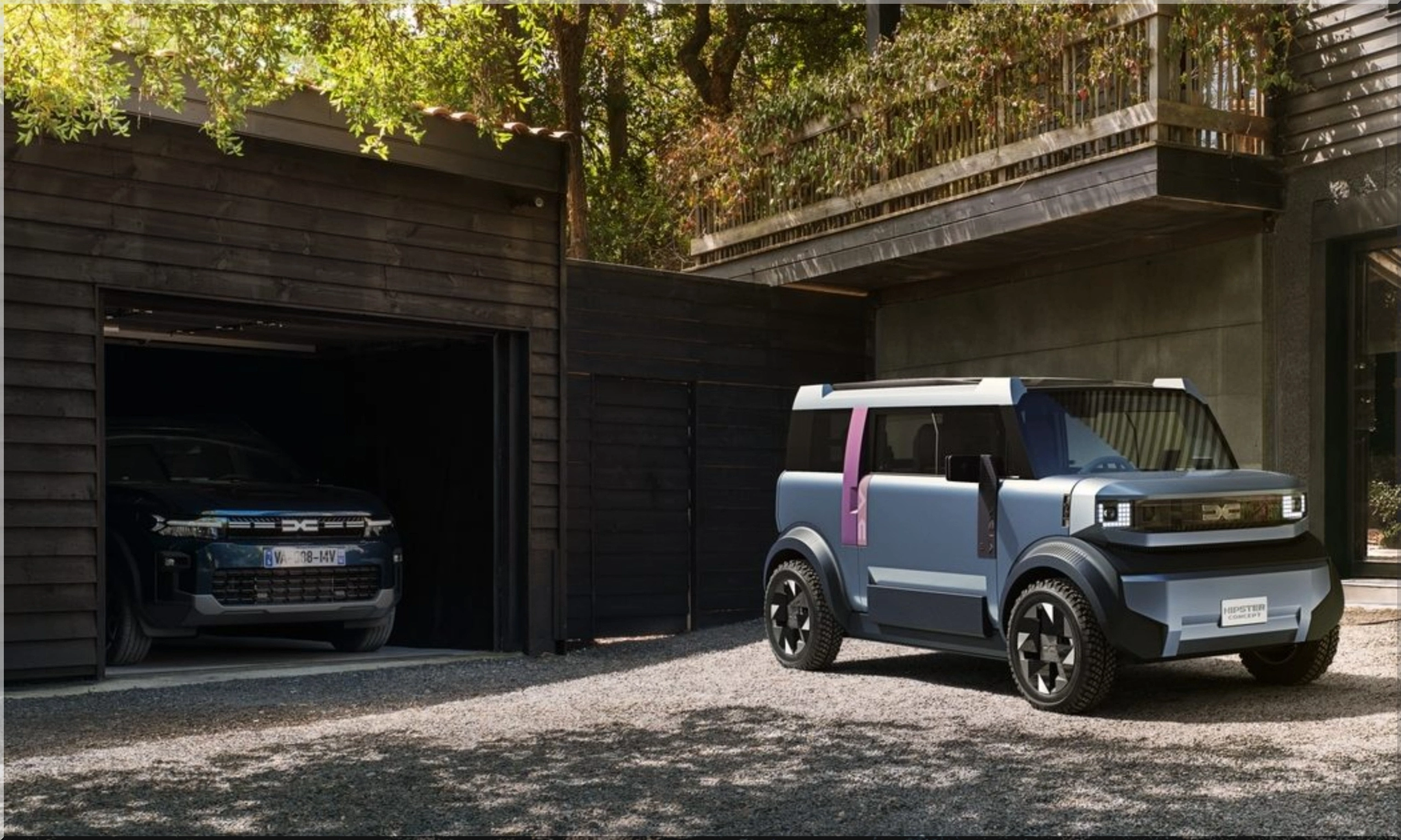
A small electric car should make the weekly budget easier, not require a family finance meeting. The 2027 Dacia Hipster could deliver that relief: four seats, compact dimensions, and a reported price target around $12,600. But before you mentally park one outside, separate the promising details from the promises Dacia still needs to make.
Is the Dacia Hipster coming in 2027?
Autocar's September 25 report points to production in 2027, a UK price around £9,500, approximately $12,600, and assembly in China. It also cites a possible 15 kWh battery and roughly 20 bhp.
Dacia hasn't officially confirmed production. The report itself says the project still needs final senior management approval. Read 2027 as a reported timetable, rather than a guaranteed delivery date.
That distinction gives buyers a useful starting point. You can put the Hipster on a shortlist without planning your next vehicle sale around it.
The dollar figure converts the reported UK target using roughly $1.325 per pound. It does not represent American pricing or confirm a US launch.
For now, keep three columns in your shopping research:
- Concept details: features Dacia has shown publicly.
- Reported plans: production timing, pricing, and technical proposals from current reporting.
- Purchase details: specifications, warranty terms, and delivery dates that dealers can eventually put in writing.
Mix those columns together, and an attractive idea starts looking suspiciously like a finished brochure.
Four seats give this tiny EV a clear purpose
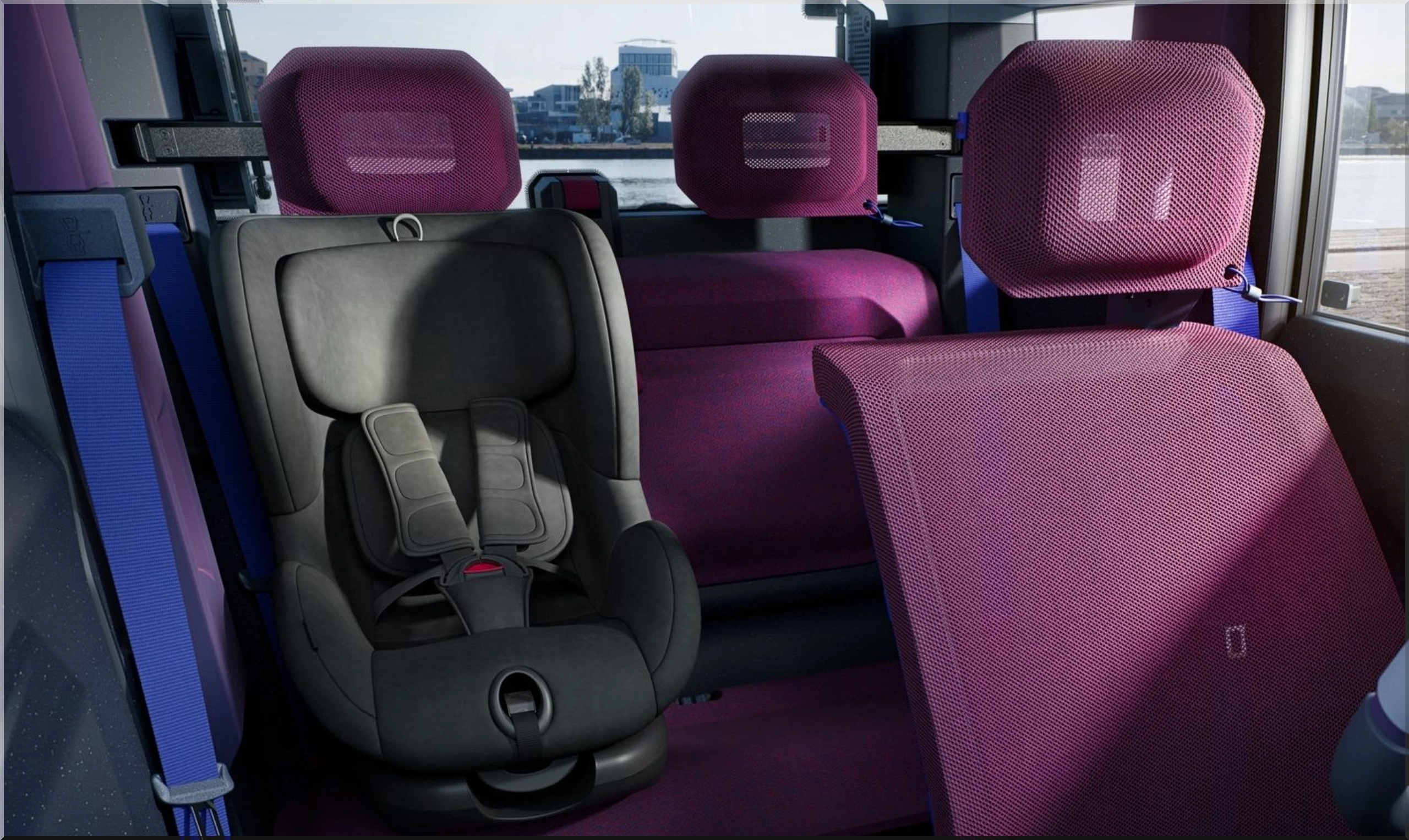
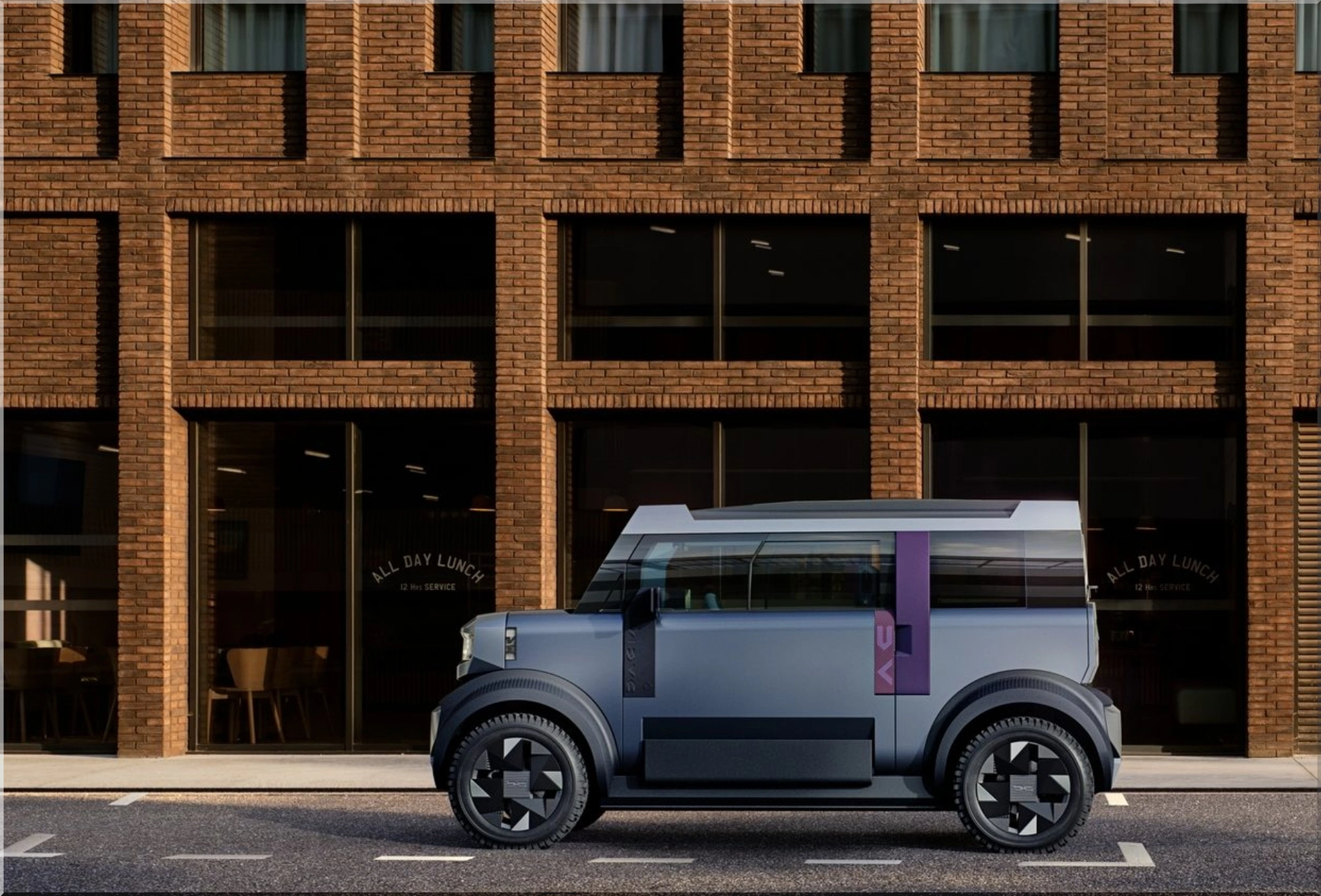
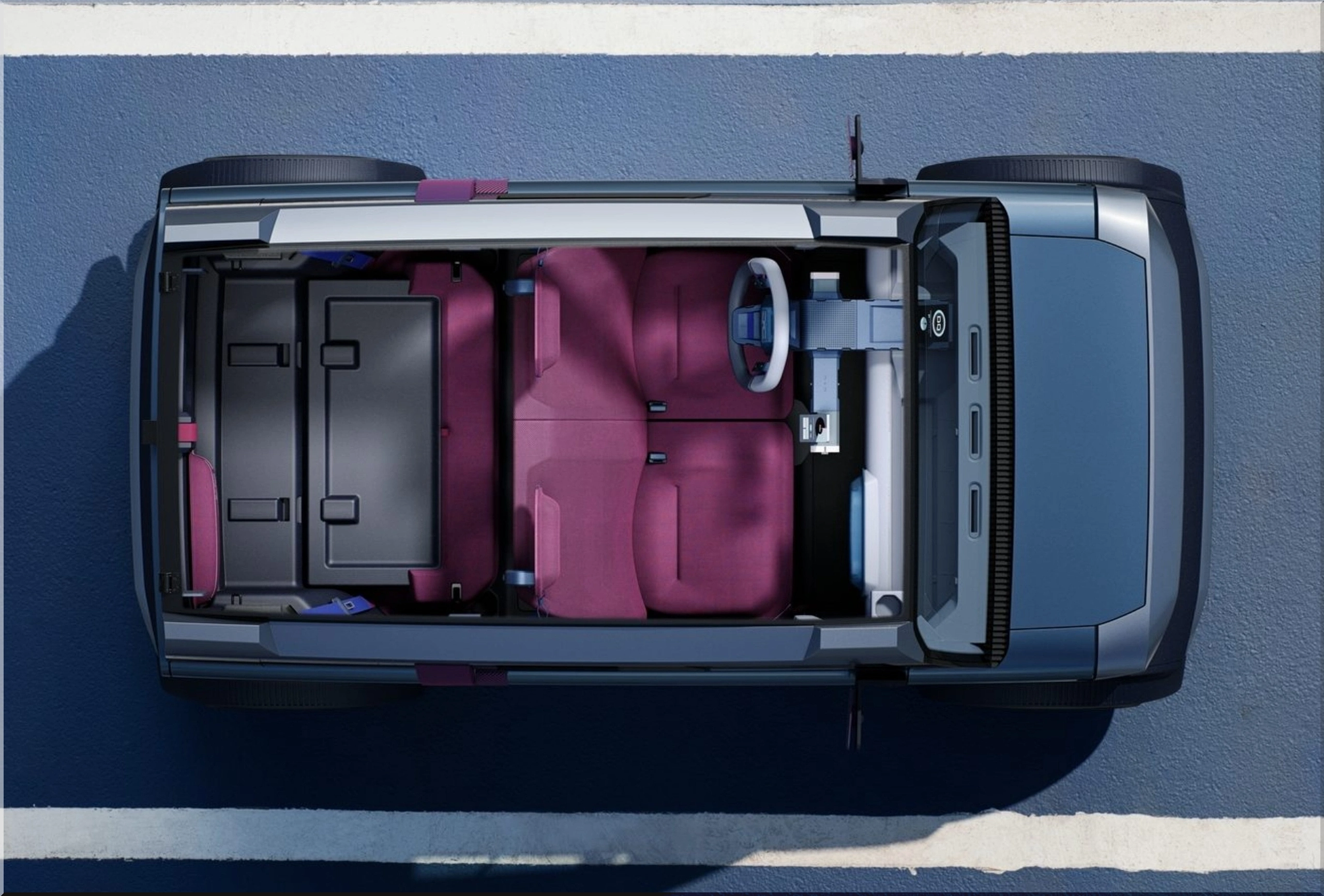
Dacia's concept measures 3.0 meters long, 1.55 meters wide, and 1.53 meters tall. The company describes room for four adults. Cargo capacity runs from 70 liters with all seats occupied to 500 liters with the rear seats folded down.
Those figures suggest a useful trade: carry people on one trip, groceries on another. They don't promise four adults plus everyone's weekend luggage.
For a second household vehicle, that flexibility could prove valuable. A two-seat microcar loses its appeal when a third passenger needs a lift.
Check the space you actually use
Bring your usual cargo to a future test drive. A child's backpack, a folded stroller, or two shopping bags will teach you more than a photograph.
Try the rear seats yourself. Check entry, foot space, and access to the seat belts. If you carry children, ask for the approved child-seat positions and mounting details.
Also measure your parking space with room for doors to open. A short vehicle still needs space for passengers to get out without practicing advanced yoga.
What would a 15 kWh battery mean for daily driving?
The Dacia Hipster battery remains a reported specification. Dacia's concept announcement did not provide a final production battery capacity, certified driving range, or charging rate.
A capacity figure alone won't tell you how far the vehicle travels. Energy use, usable capacity, temperature, and driving speed all affect the answer.
Rather than turn an unconfirmed pack size into a confident mileage claim, start with your routine. A 12-mile commute each way creates a different requirement from a 60-mile daily round trip.
Definition: Battery capacity describes stored energy in kilowatt-hours, or kWh. Charging power describes the rate of energy transfer in kilowatts, or kW. A 15 kWh battery does not imply 15 kW charging.
Build a practical range checklist
Before ordering, ask for:
- The production model's certified range and test cycle.
- Usable battery capacity, rather than total capacity alone.
- Charging connections and maximum AC charging power.
- Any DC rapid-charging capability.
- Battery warranty limits and minimum retained capacity.
For illustration, a vehicle averaging 10 kWh per 100 kilometers uses 3 kWh over 30 kilometers. At $0.25 per kWh, that energy costs $0.75 before charging losses. This example explains the arithmetic; it does not predict Hipster efficiency.
Use your own electricity tariff when comparing costs. A cheap vehicle won't automatically make an inconvenient public charging routine pleasant.
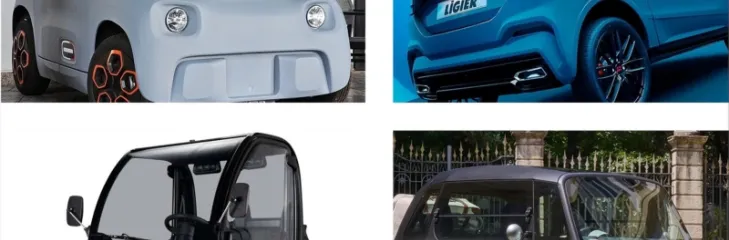
Hipster vs Ami, Topolino, and Silence S04 Unico
The Hipster's proposed four-seat layout separates it from several familiar electric quadricycles. Yet the rival badge tells only part of the story. Seating, speed, and charging access make a more useful comparison.
| Vehicle | Seats | Speed information | Practical distinction |
|---|---|---|---|
| Dacia Hipster | Four in the concept | Final production figure pending | Extra passenger capacity; launch still unconfirmed |
| Citroën Ami | Two | 28 mph, about 45 km/h | Simple transport for short local trips |
| Fiat Topolino | Two | 45 km/h, about 28 mph | Similar low-speed use with different styling |
| Silence S04 Unico | Two | 45 km/h, about 28 mph | Removable battery for charging away from the vehicle |
Citroën lists up to 46 miles of WMTC range for the Ami Electric Quadricycle. Fiat quotes up to 75 kilometers, about 47 miles, for the Topolino. Nissan's German site lists up to 100 kilometers, about 62 miles, for the Silence S04 Unico.
These advertised figures don't establish a direct driving-test winner. Conditions and test methods deserve attention, and the Hipster still lacks a final comparable figure.
The S04 Unico also differs from faster S04 variants. Check the complete version name when comparing specifications; a shared badge doesn't guarantee a shared top speed.
Choose around the slowest part of your routine
If you spend most of your drive on streets with low speed limits, a 45 km/h vehicle may fit comfortably. If your route regularly joins faster traffic, examine that compromise closely.
For apartment residents, the S04's removable battery deserves a practical trial. Ask to move it along the route you would use at home. A showroom floor offers fewer obstacles than stairs.
For households needing three or four seats, the Hipster looks more relevant on paper. That advantage still needs a production vehicle and a proper test drive.
Price is the invitation; ownership cost decides the purchase
An affordable electric city car needs to stay affordable after you collect the keys. The asking price gives you one number. Your monthly budget needs several.
Ask for an itemized quote covering delivery, registration, charging equipment, and any battery-related charges. Keep optional accessories separate so you can see the true starting cost.
Then compare insurance, servicing, tires, finance interest, and expected resale value. Avoid guessing that a small vehicle must attract a small insurance premium. Request an actual quote.
A used conventional hatchback also deserves a place in the comparison. It may suit longer trips or frequent luggage demands better. The Hipster's case grows stronger when compact size and local electric driving directly suit your week.
Pro-Tip: Write down your current annual transport spending before shopping. Include fuel, parking, repairs, and finance. Compare each candidate against that total, using the same mileage and ownership period.
Simple equipment can work, if the essentials work well
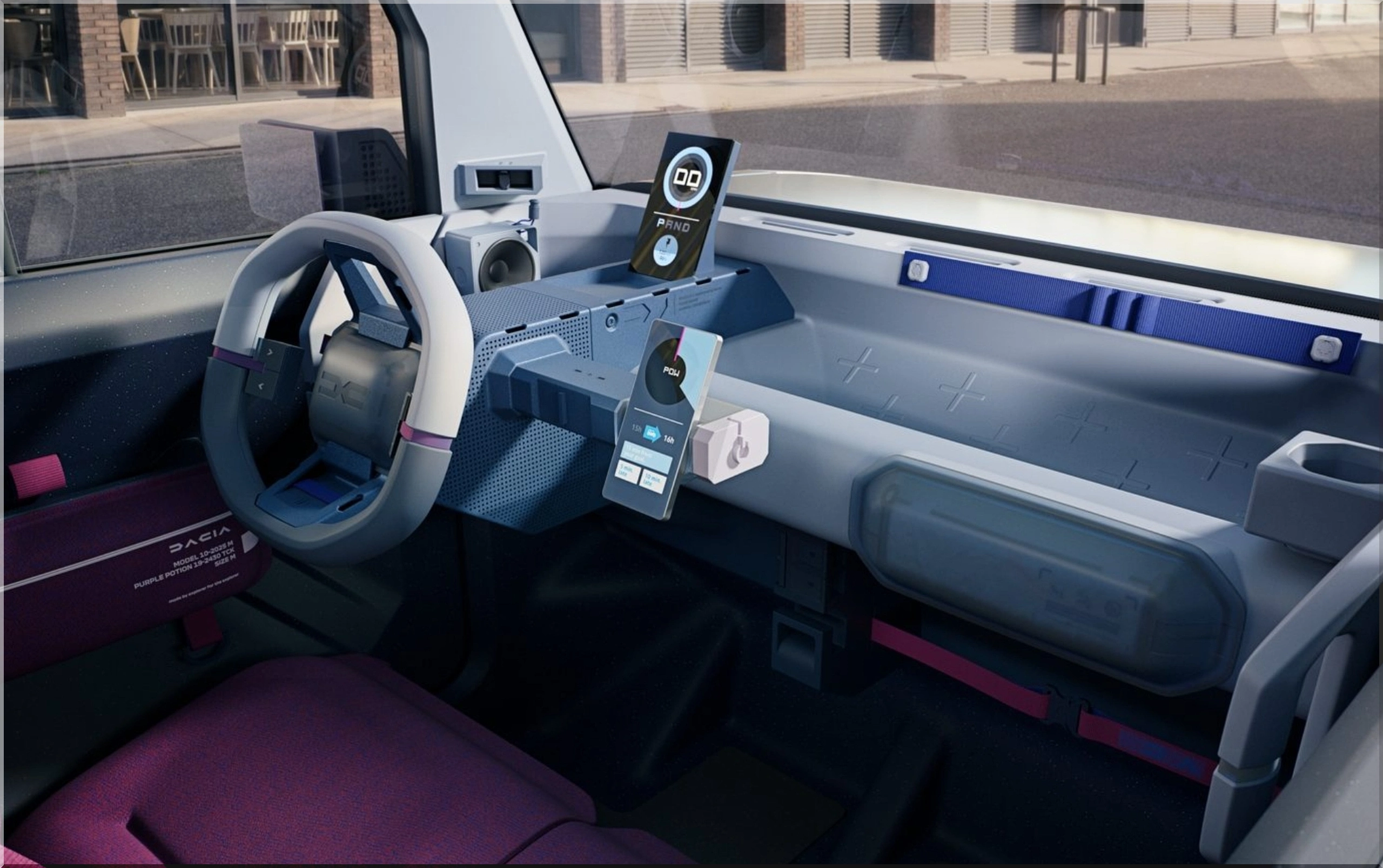
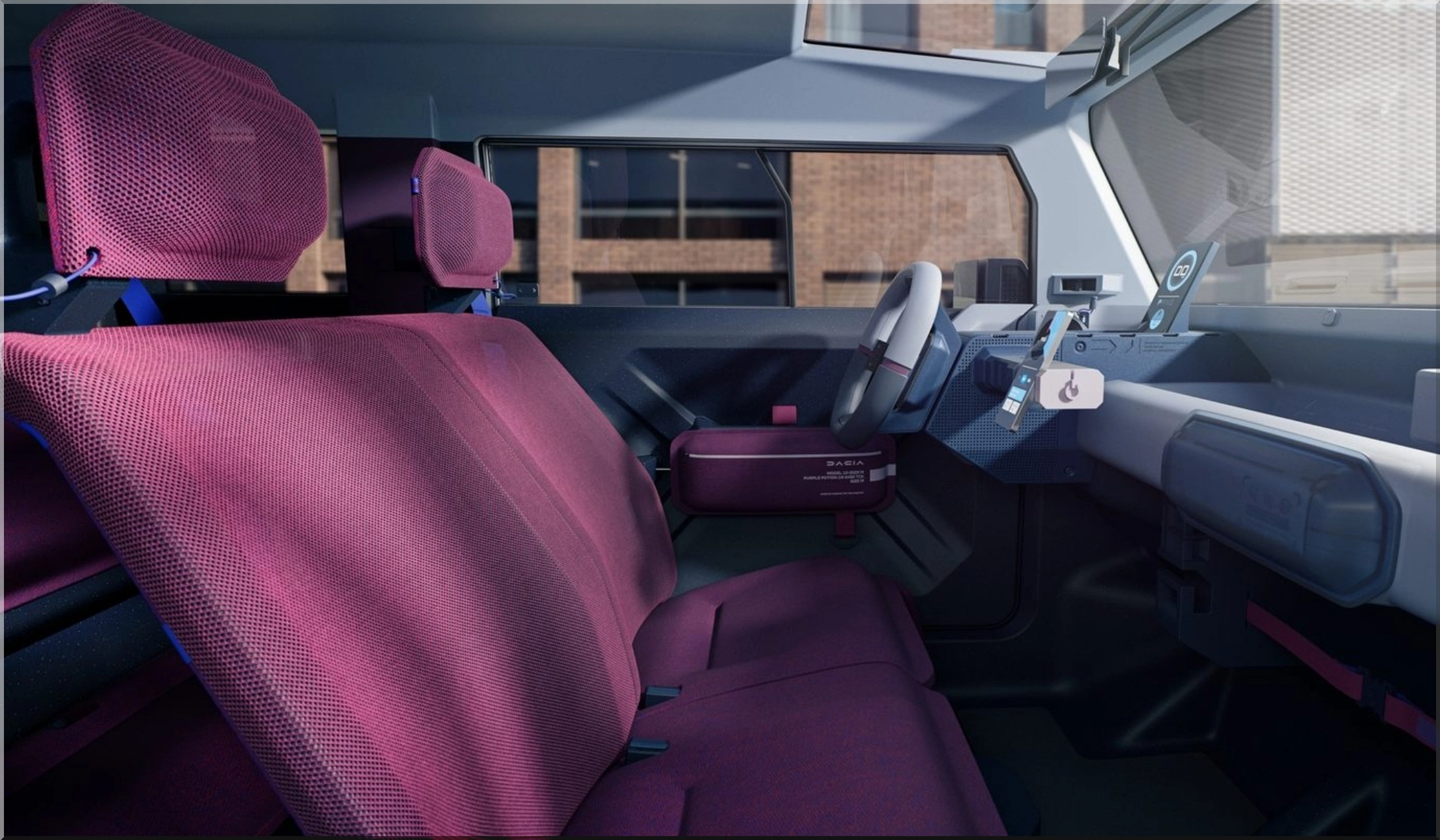
Dacia's concept uses a smartphone dock for media and route guidance, plus YouClip mounting points for accessories. Sliding windows and a stripped-back cabin support its focus on cost and weight.
That approach could suit buyers who already prefer their phone's apps. It also creates questions worth asking before purchase.
Can you access the vehicle if your phone battery dies? Does the cabin offer useful storage without extra purchases? Can you clear mist from the windows quickly on a wet morning?
Try the seats for longer than five minutes. Test visibility while reversing, check ventilation, and listen for road noise during a drive.
Simple equipment should reduce effort. A missing convenience becomes a poor saving if you miss it twice every day.
Safety needs evidence, not assumptions
A small body, four wheels, and familiar controls don't prove that two vehicles offer equal protection. Euro NCAP's earlier quadricycle assessments showed substantial safety weaknesses in the models it tested.
Those historic results do not describe a future Hipster. They do explain why buyers should request model-specific evidence instead of borrowing confidence from appearances.
Dacia included two front airbags in the concept. Production equipment and independent testing will give buyers firmer grounds for judgment.
Before signing, request the final vehicle classification, safety equipment list, and any published crash-test results. Check local driving-license and road-access rules against that exact version.
If you expect frequent faster-road driving or regular child passengers, make those requirements central to your choice. A low purchase price should never answer a question about crash protection.
Should you wait for the 2027 Dacia Hipster?
Wait for further details if your current transport works and you want compact electric mobility with occasional extra passengers. The Hipster presents a credible idea worth watching, but buyers still need a confirmed product.
If you need a vehicle immediately, compare available options using today's written quotes and test drives. An unconfirmed future price won't get you to work next Monday.
Use this short plan:
- Track your mileage, passengers, and cargo for two weeks.
- Identify where you could charge regularly.
- Set a total ownership budget, including insurance.
- Test suitable vehicles already on sale.
- Revisit the Hipster when Dacia publishes production specifications and ordering details.
Keep the appeal simple: enough seats, enough range, and a price your household can manage. Let the finished vehicle earn its place in your driveway.