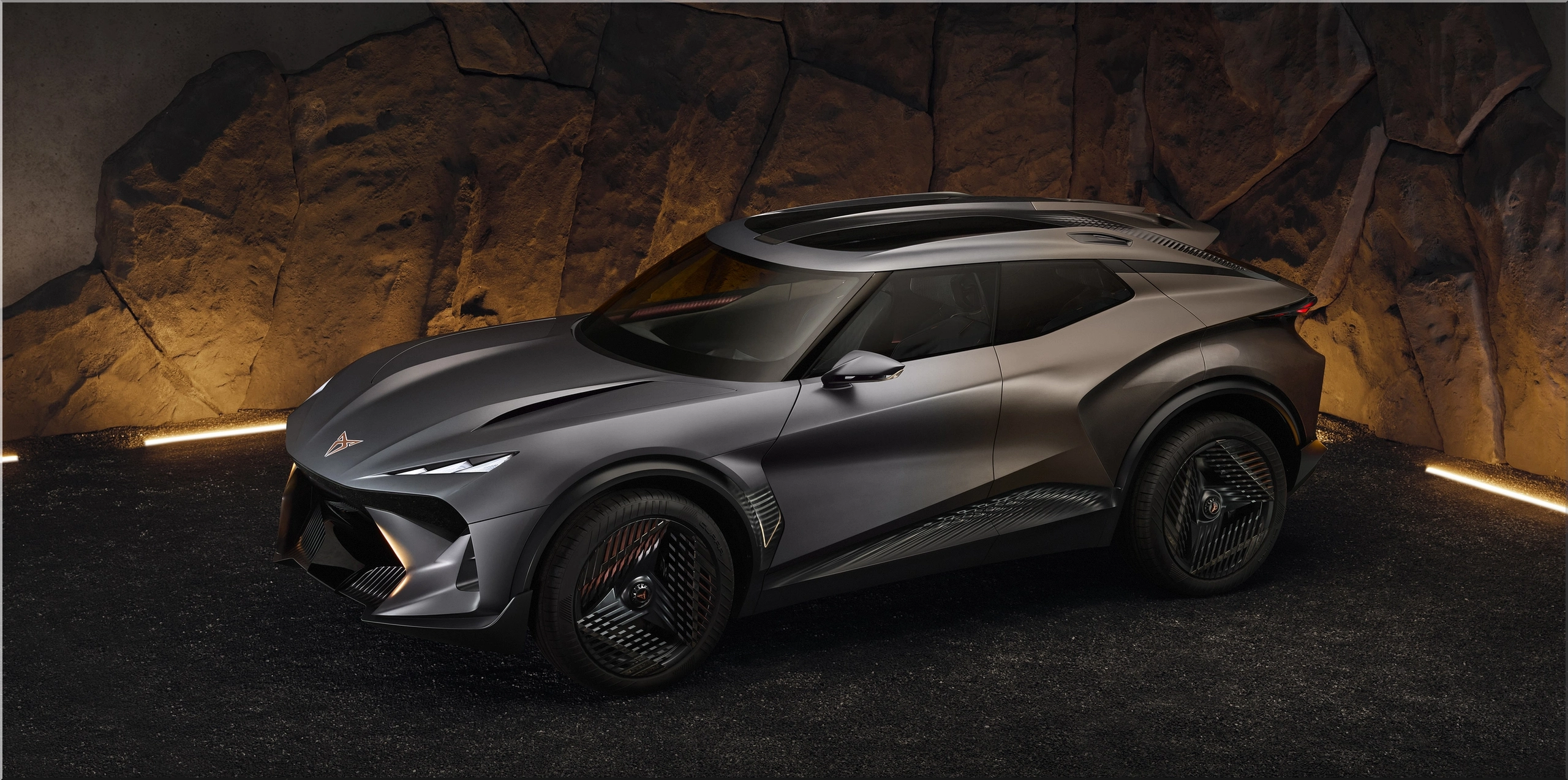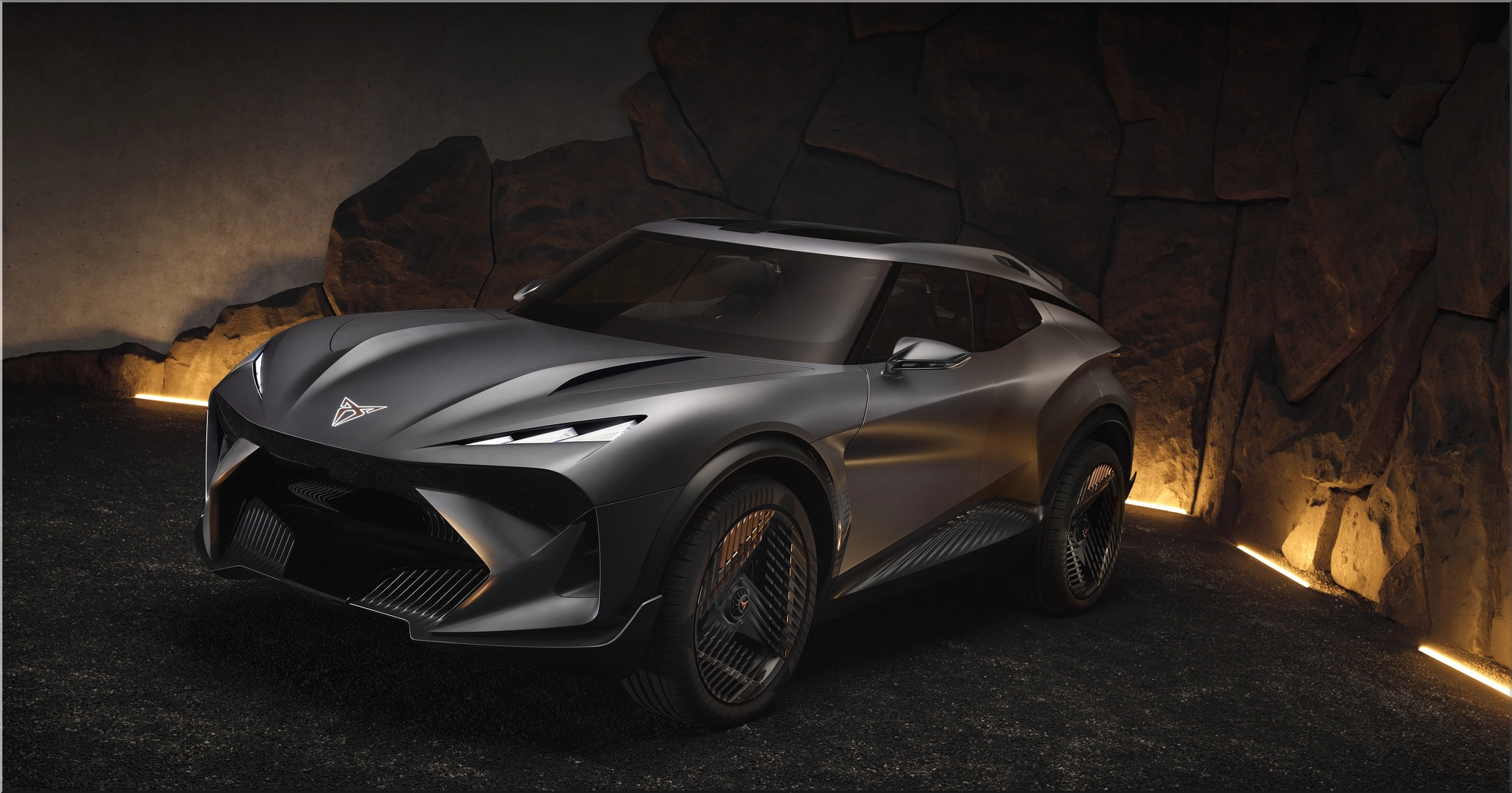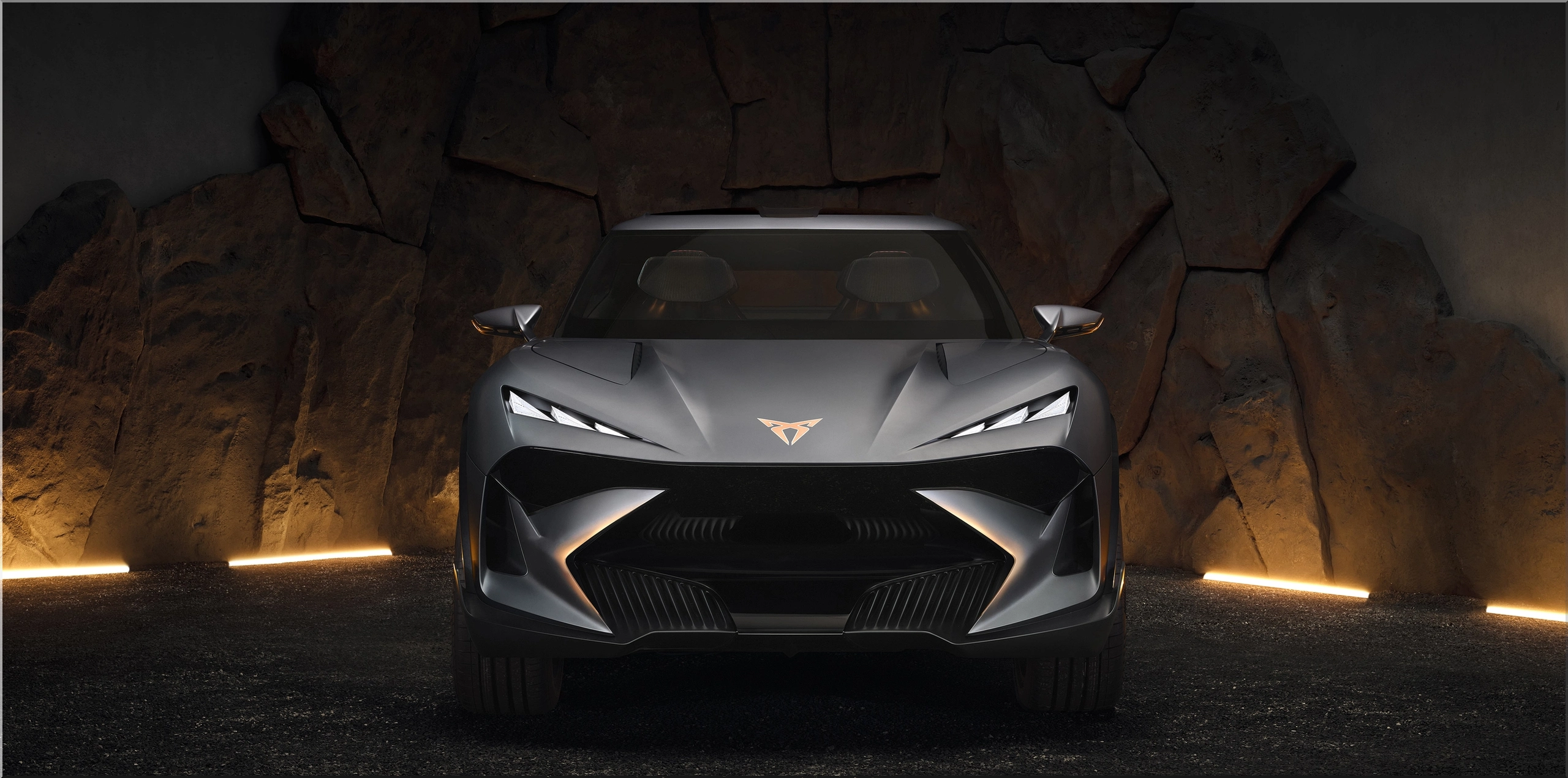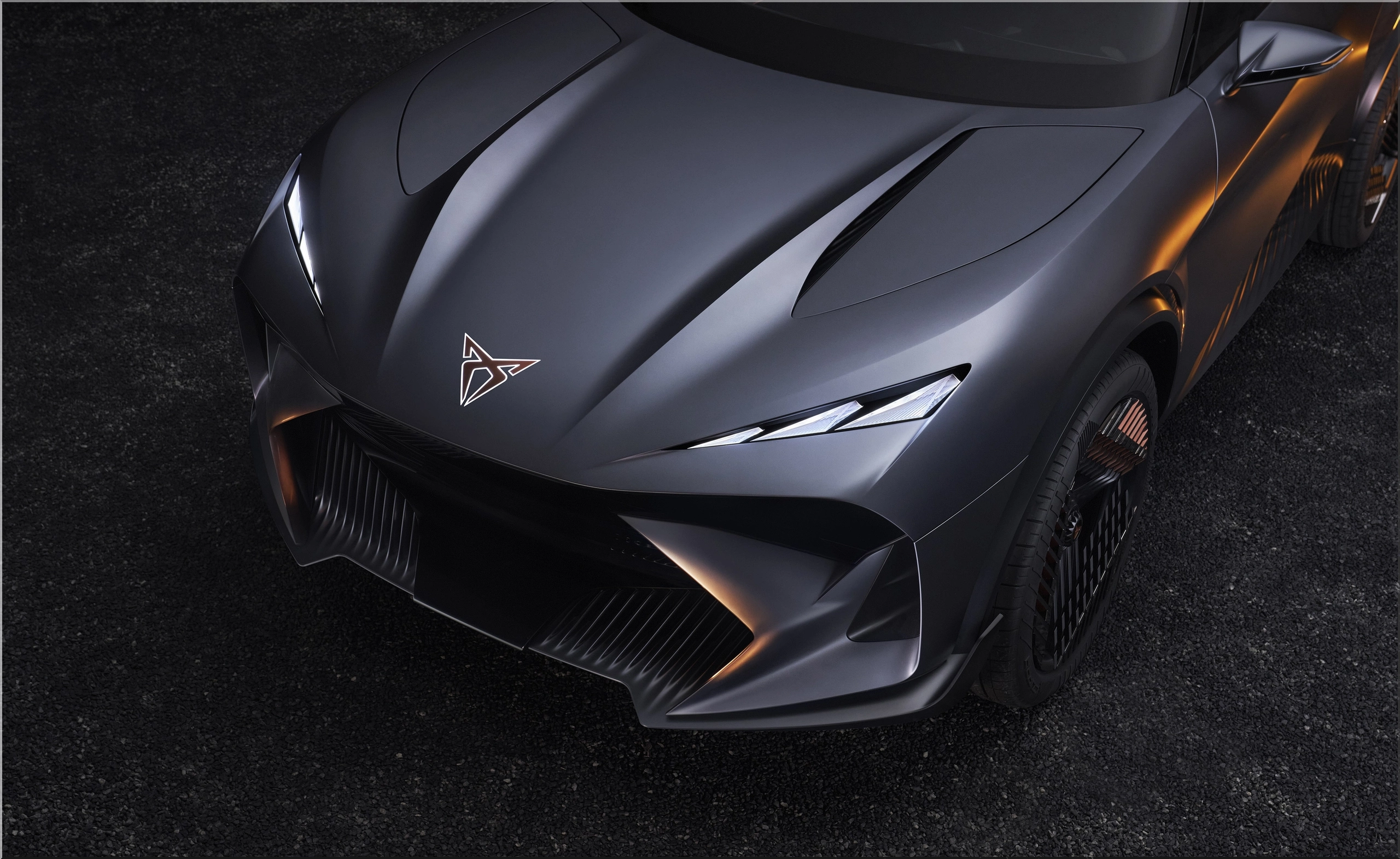


upra wants a future with fast sales and fast acceleration. The CUPRA Tindaya concept shows how the brand plans to reach new buyers while keeping current fans engaged. The idea: build a bold plug-in hybrid SUV with long driving range, sharp styling, and cues that send a message without shouting.
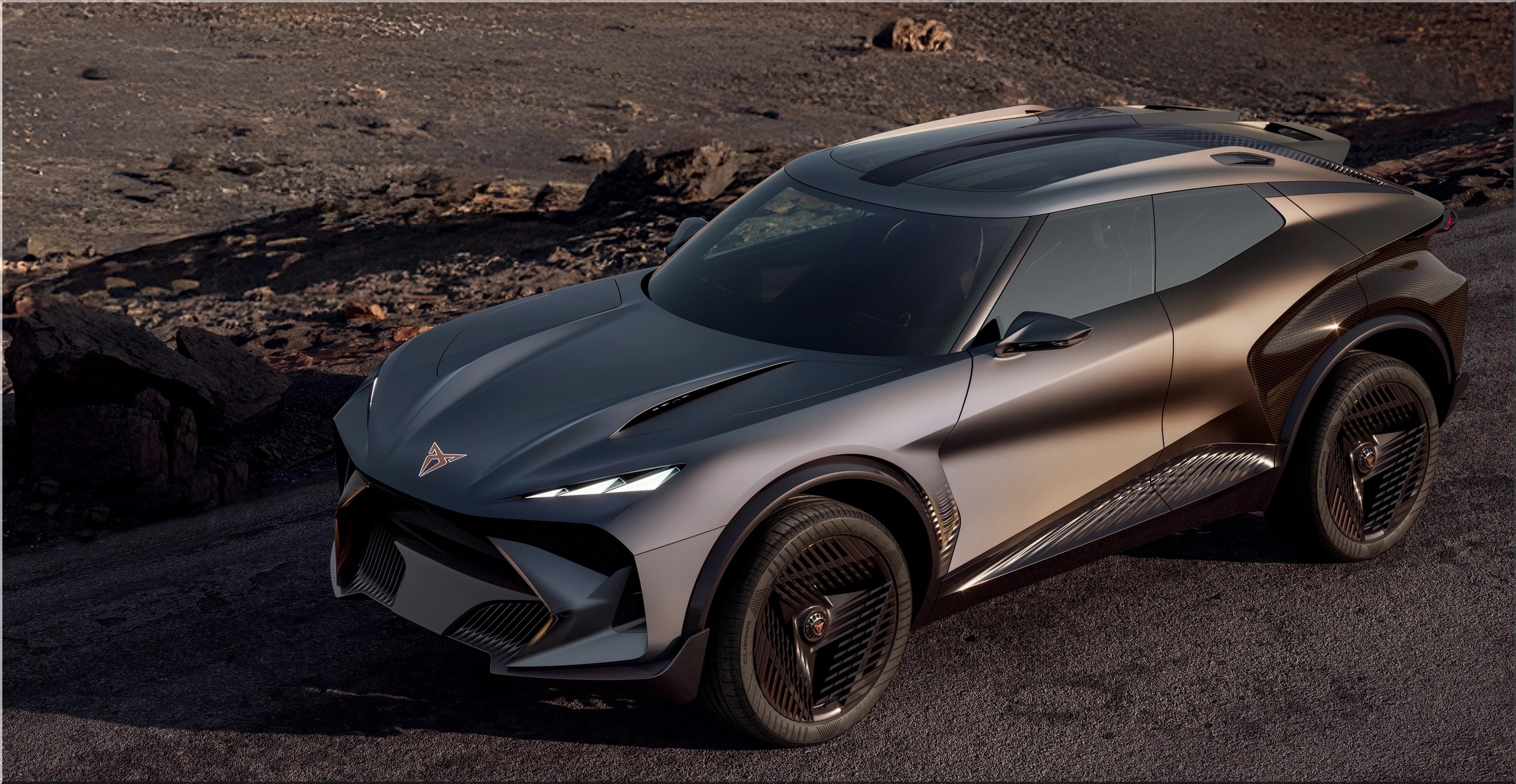
Cupra positions the Tindaya as a next-generation mid-size SUV. At 4.72 meters long, the vehicle sets itself up as a potential successor to the Cupra Formentor. The goal is simple. Offer an electric-first driving experience. Support long trips through a generator system. Deliver design that looks confident but avoids the usual electric-vehicle sameness.
Cupra calls the Tindaya a concept. The company also hints a production version reaches buyers around 2027 or 2028. The timeline fits Cupra's broader push toward new electrified models across global markets.
Exterior Strategy: Large Dimensions and Sharply Cut Surfaces
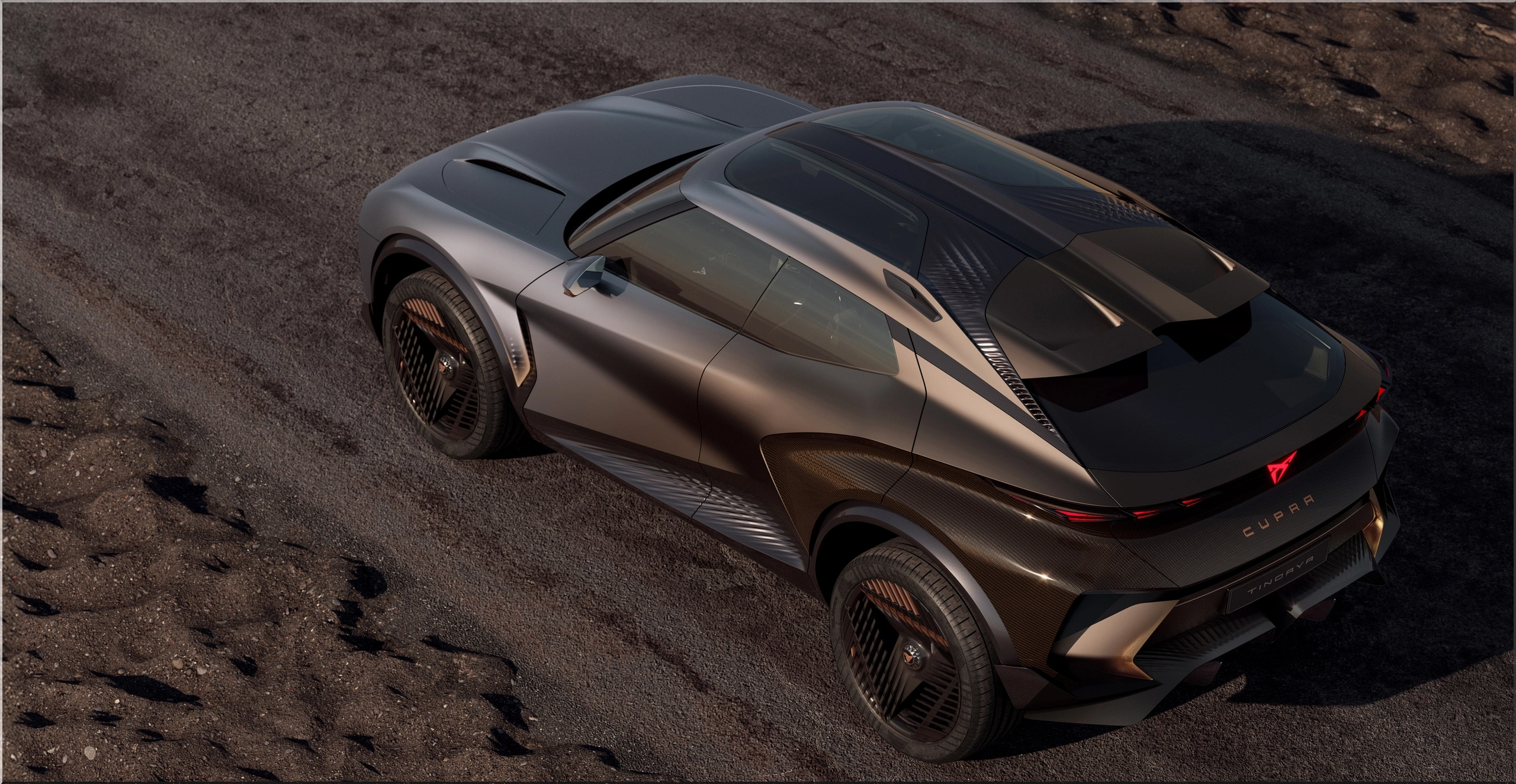
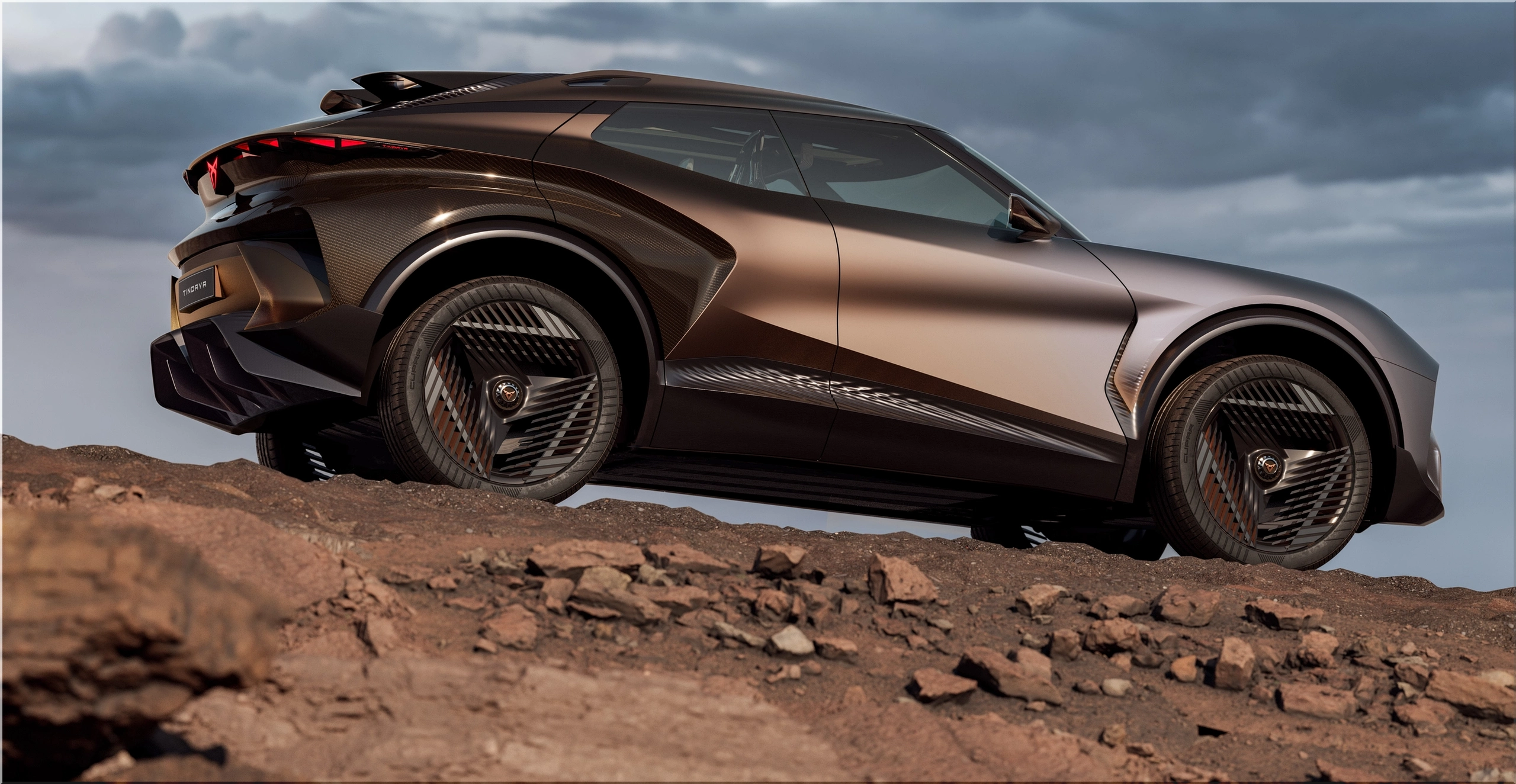
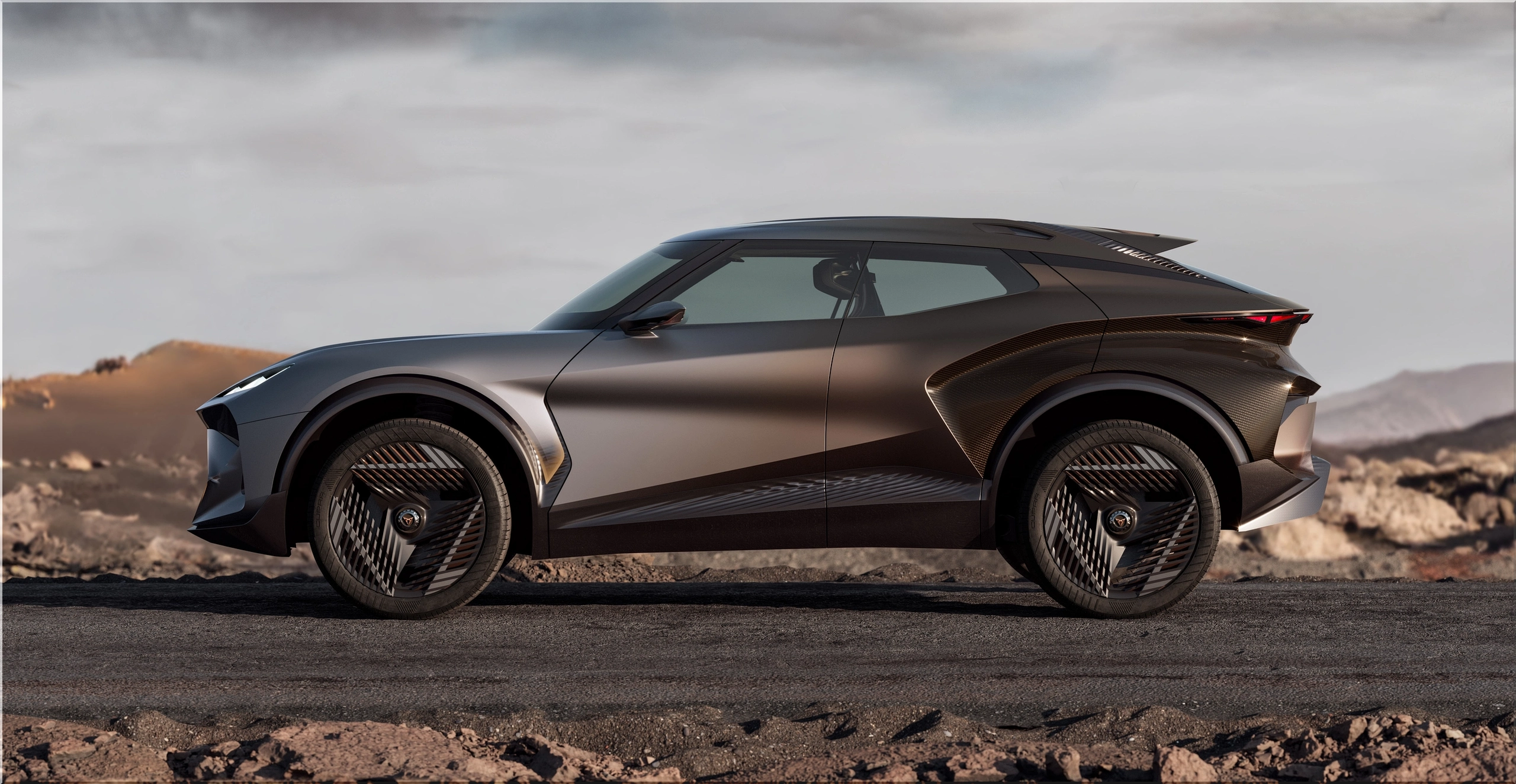
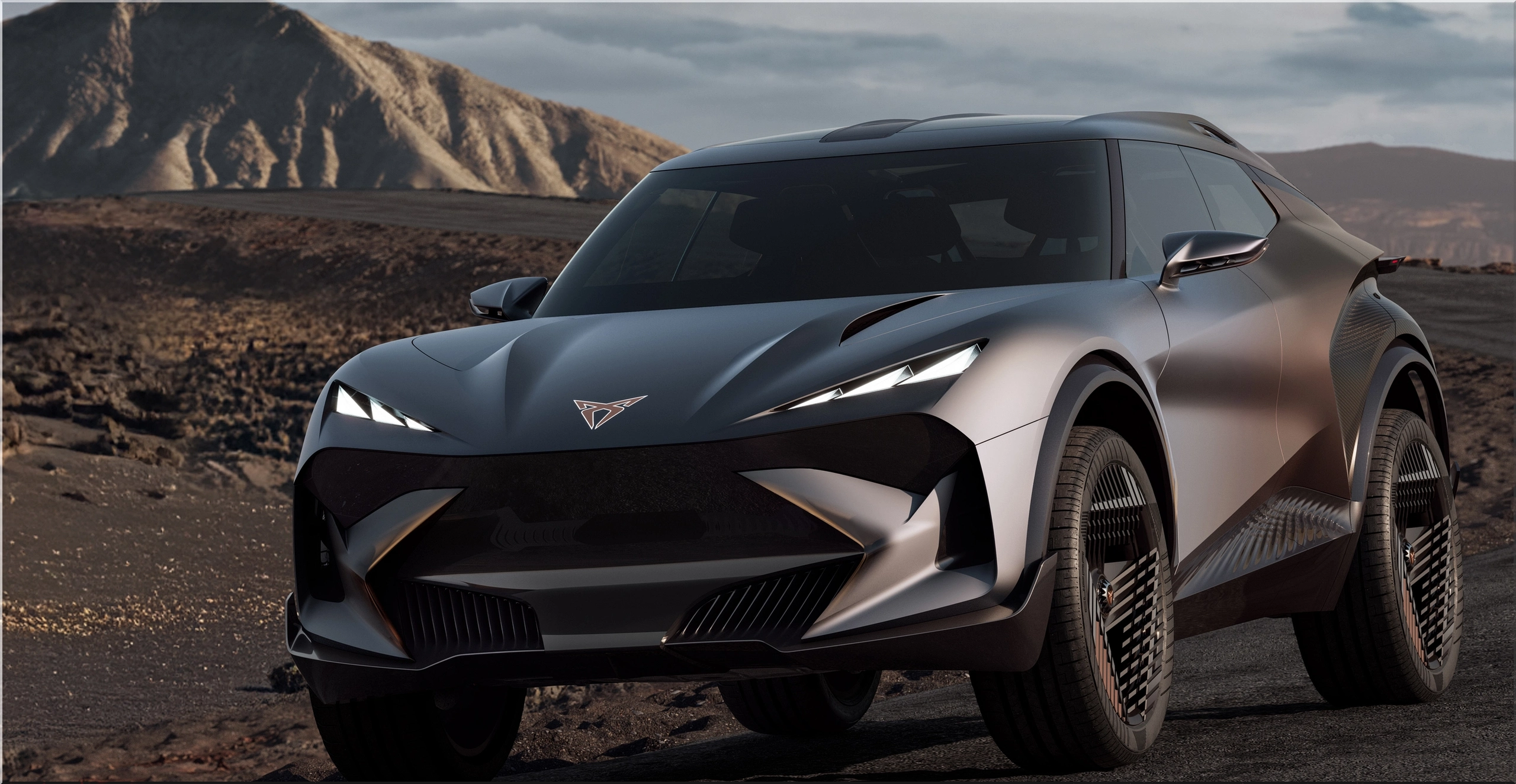
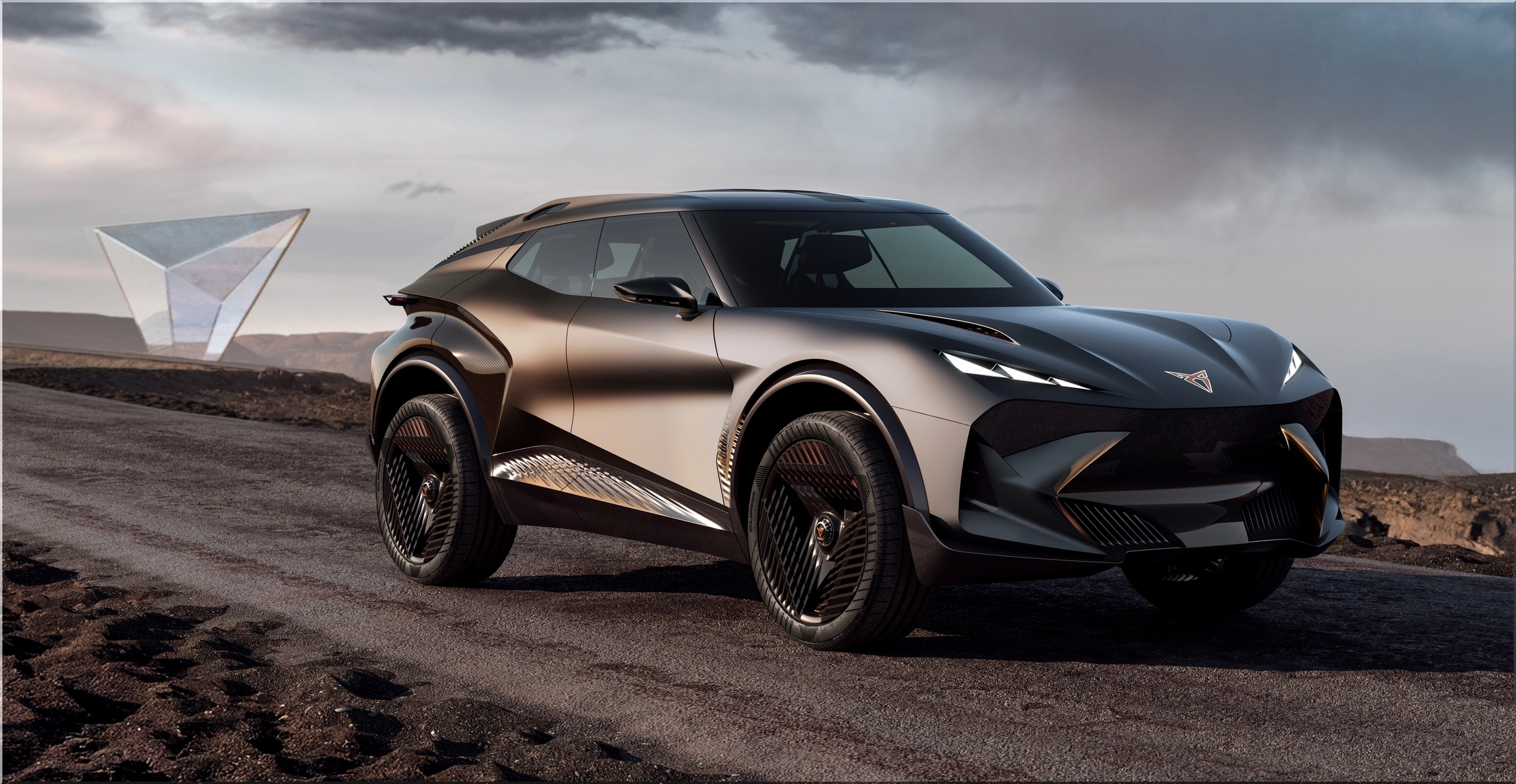
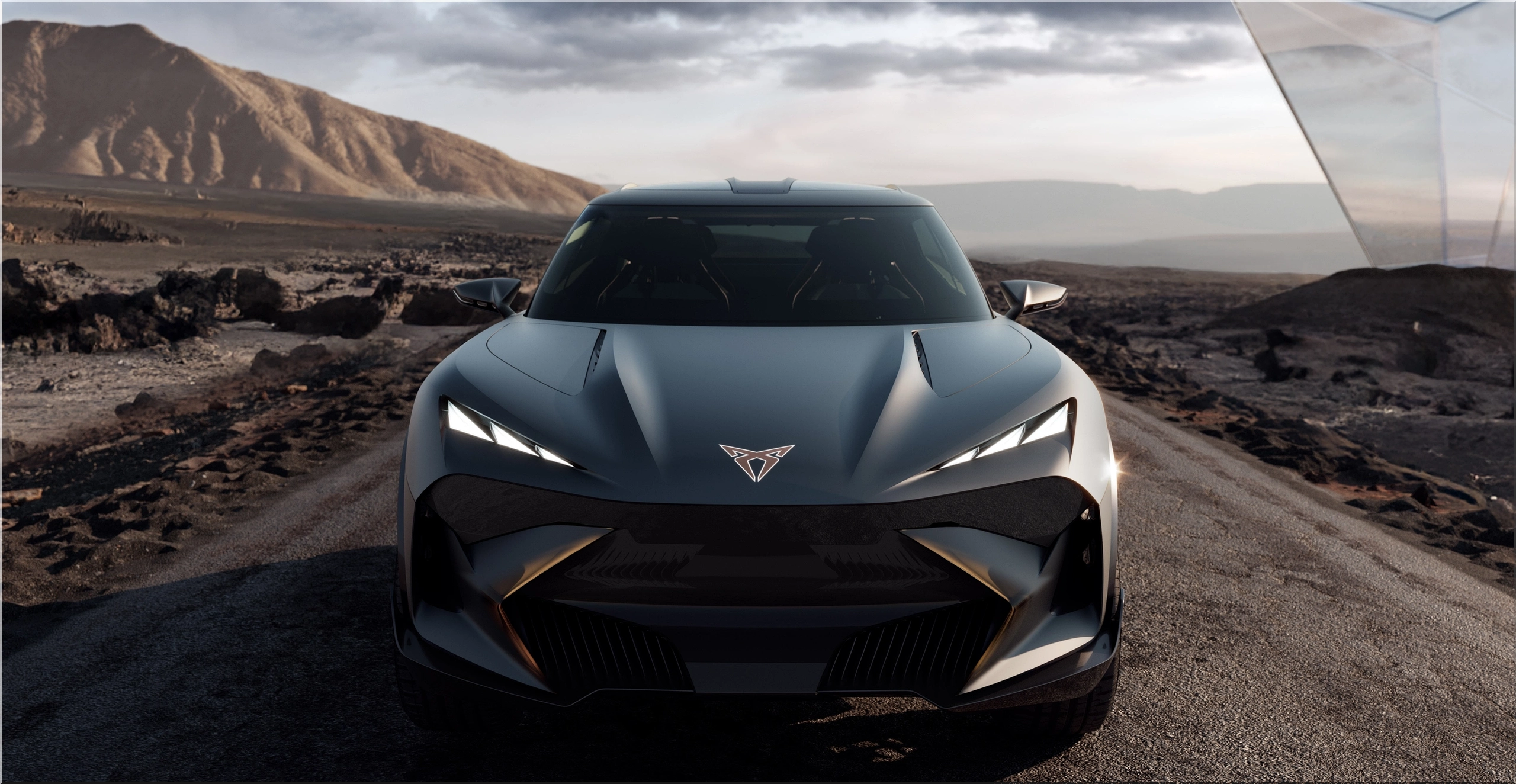
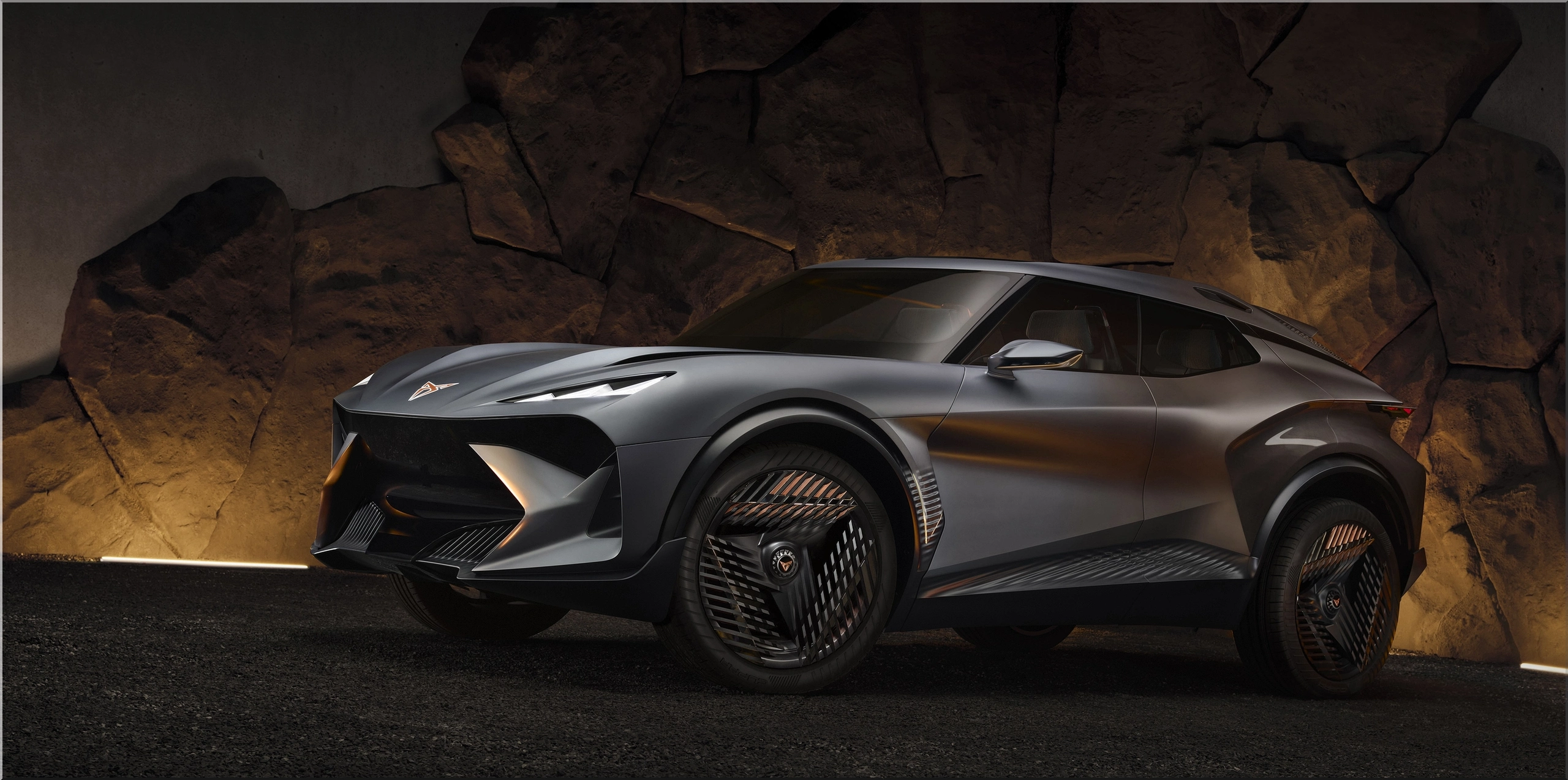
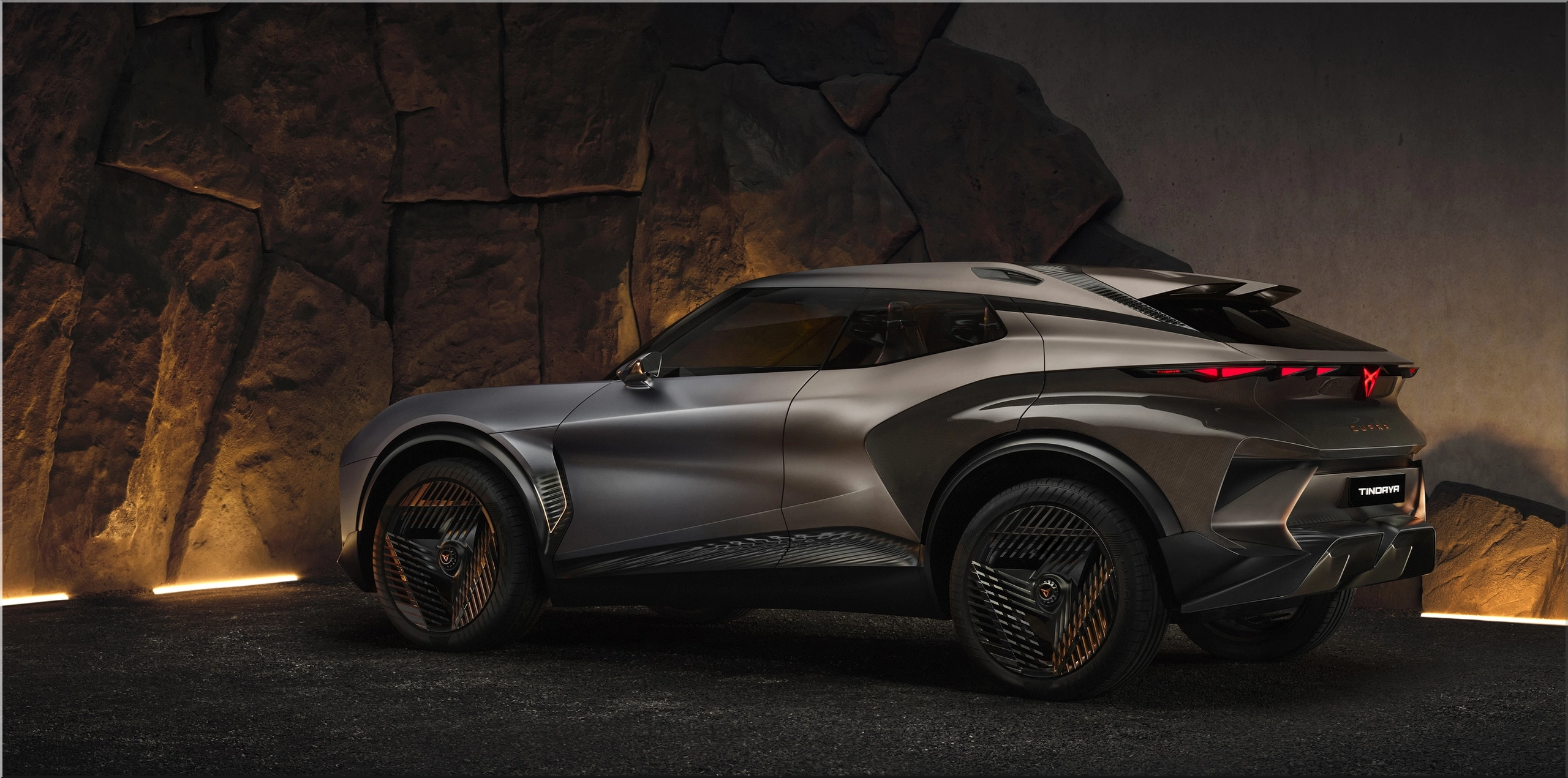
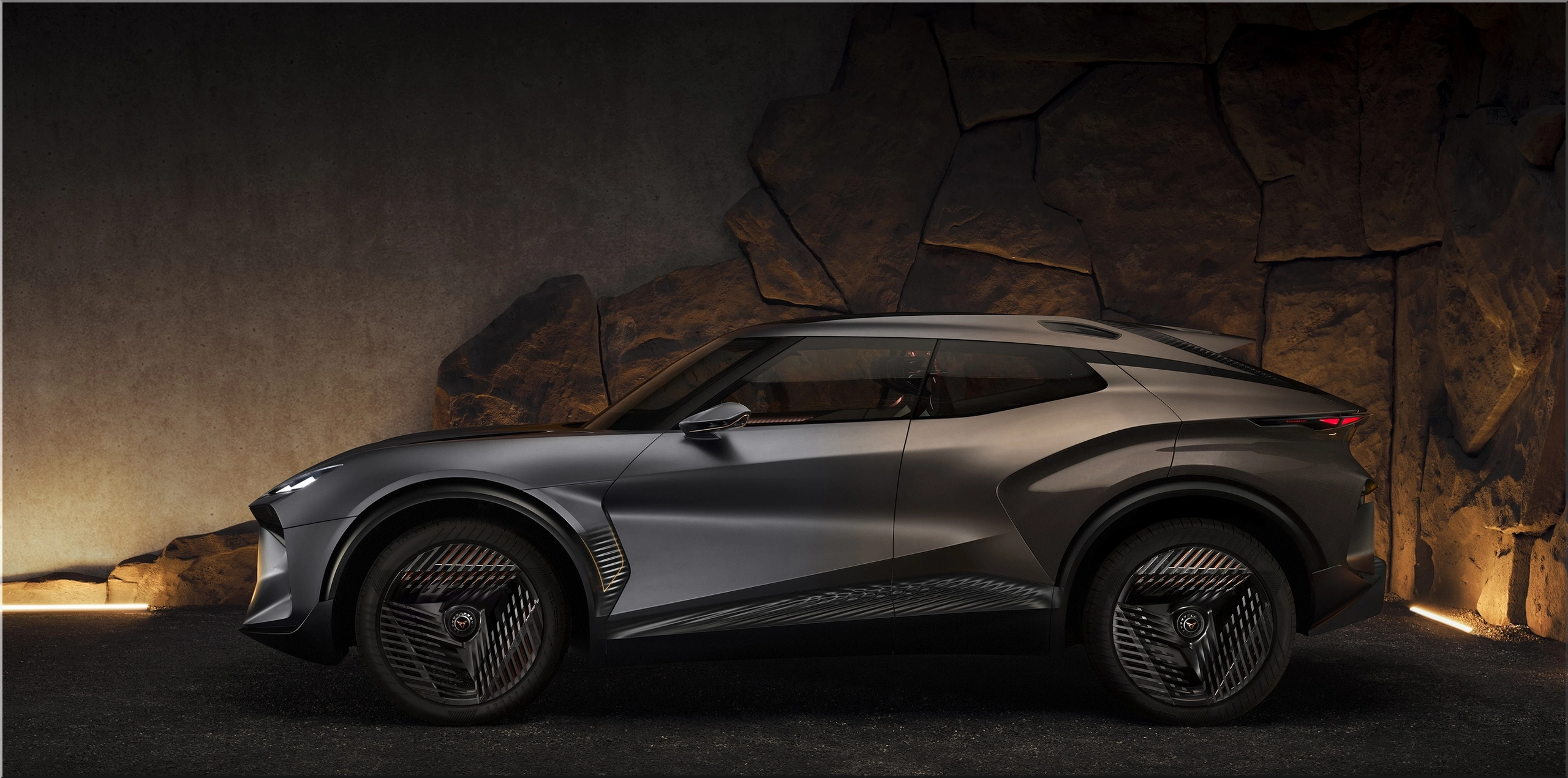
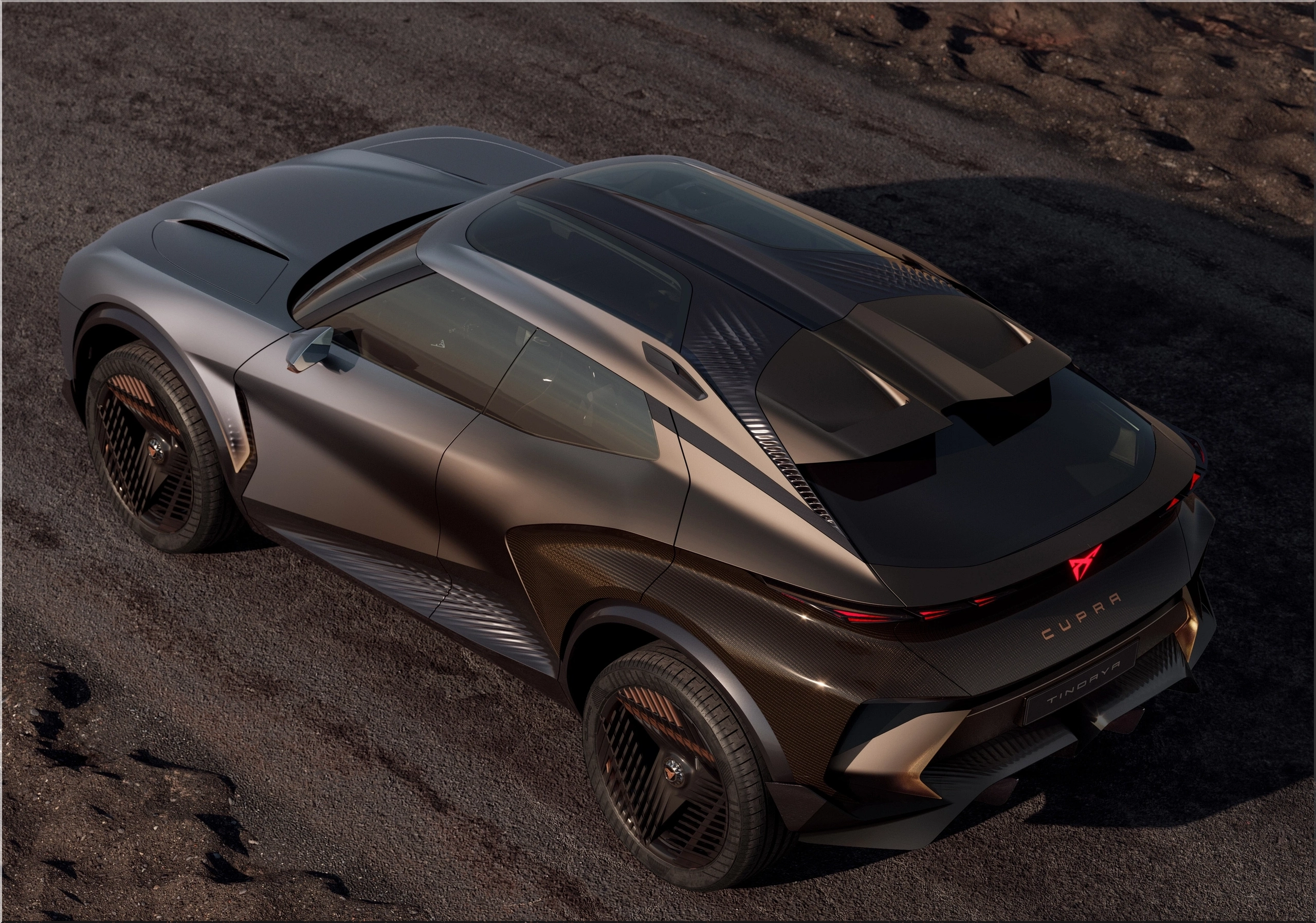
Cupra uses the Tindaya to test its future styling. The body sits wide, long, and low. The front picks up a short “shark nose.” The sides use straight lines and compressed graphics to keep attention near the wheels. Cupra chooses 23-inch wheels because smaller ones would send the wrong message.
The CUPRA Tindaya mixes a thick lower section with a slim upper greenhouse. Cupra designers refer to this as the “body under skin” structure. Translated, it means the vehicle looks strong while keeping the cabin narrow enough to appear sporty. It also gives Cupra more flexibility if they need to adjust proportions before production.
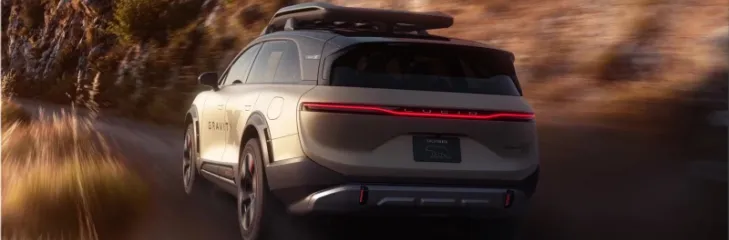
Rear styling follows the same theme. A straight light bar sits across the back. The tailgate stretches wide to support cargo space. Visibility remains solid. The rear diffuser signals performance without the need for complex shapes.
Cabin Strategy: Driver-Centered Layout with Dry Humor Built In
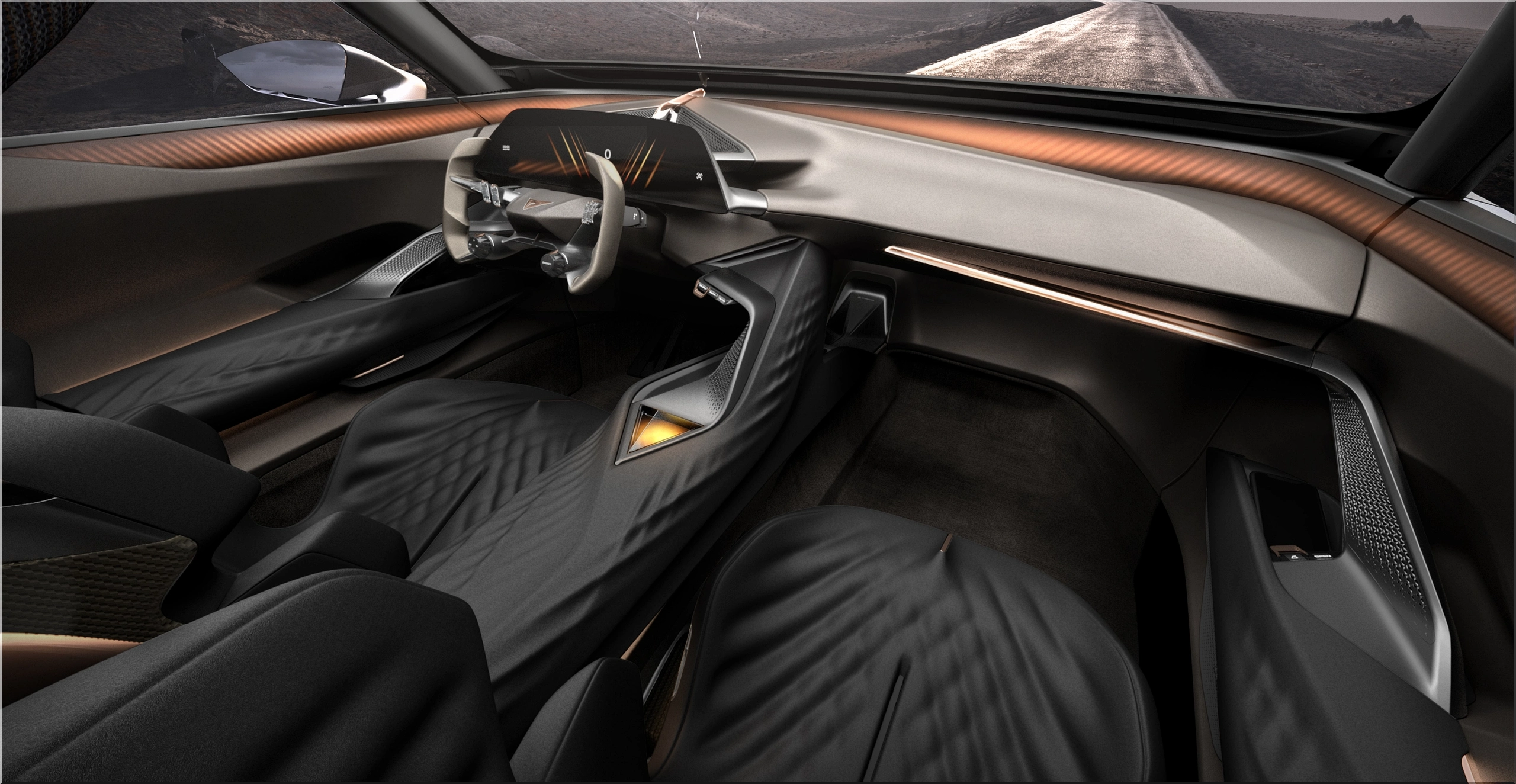
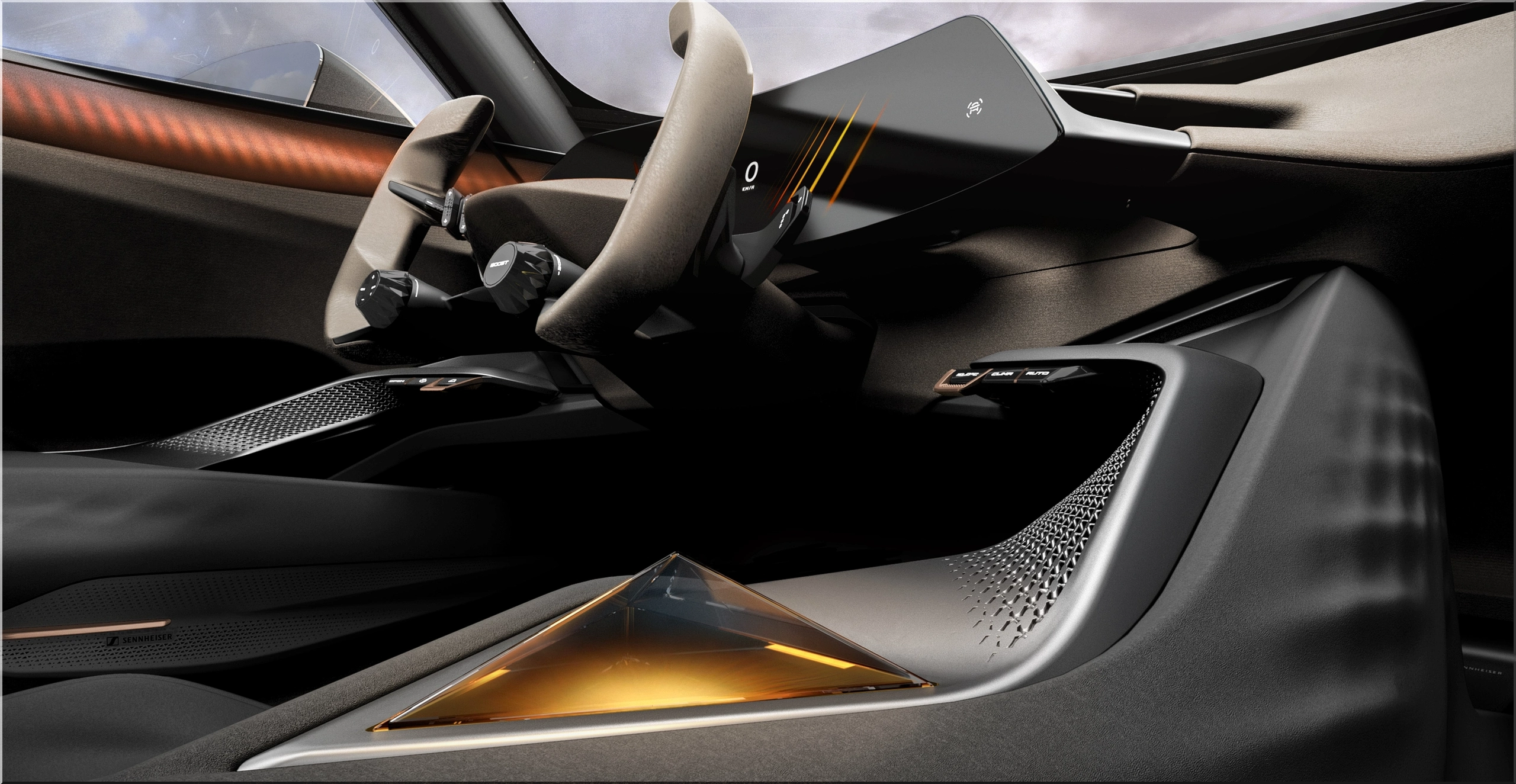
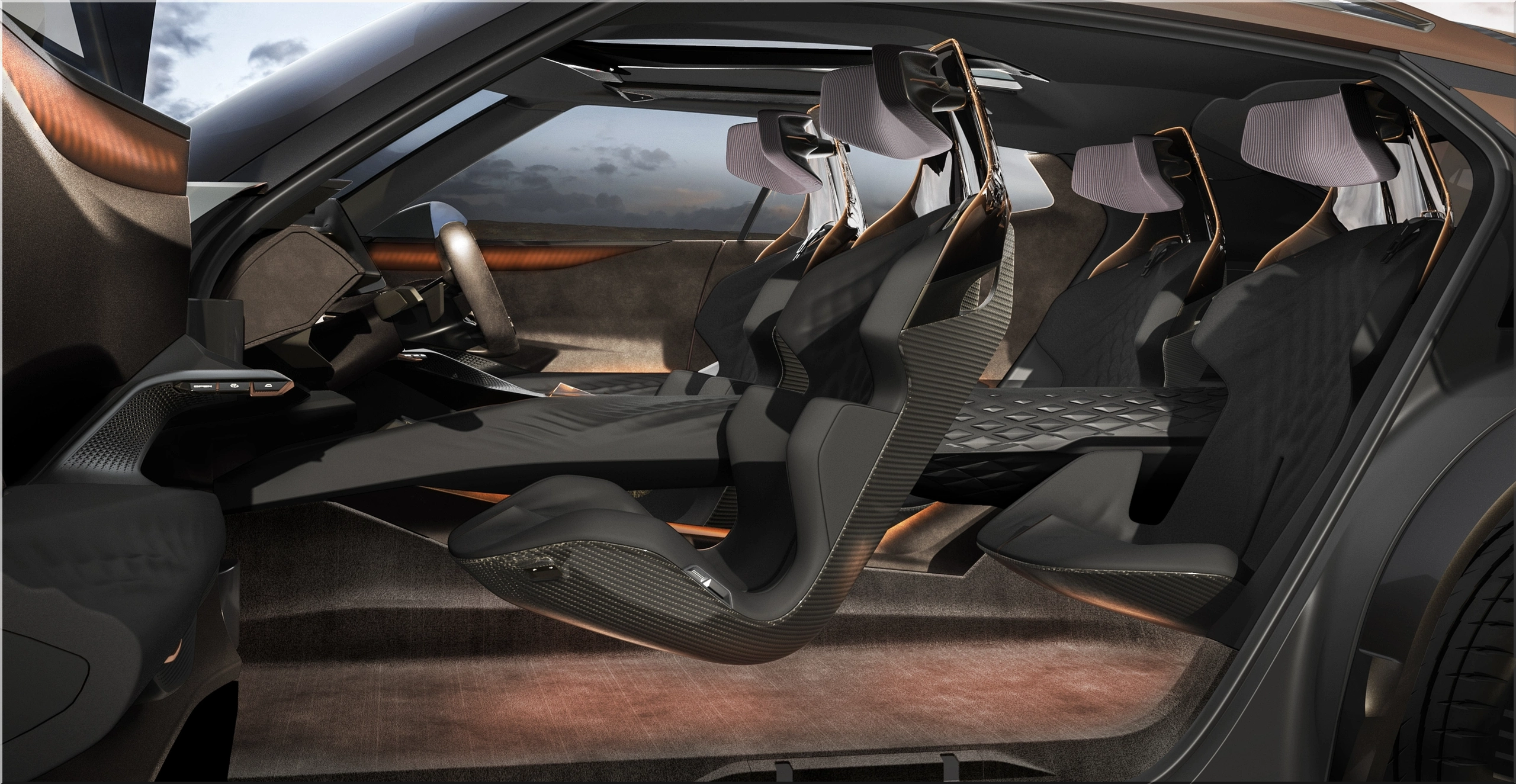
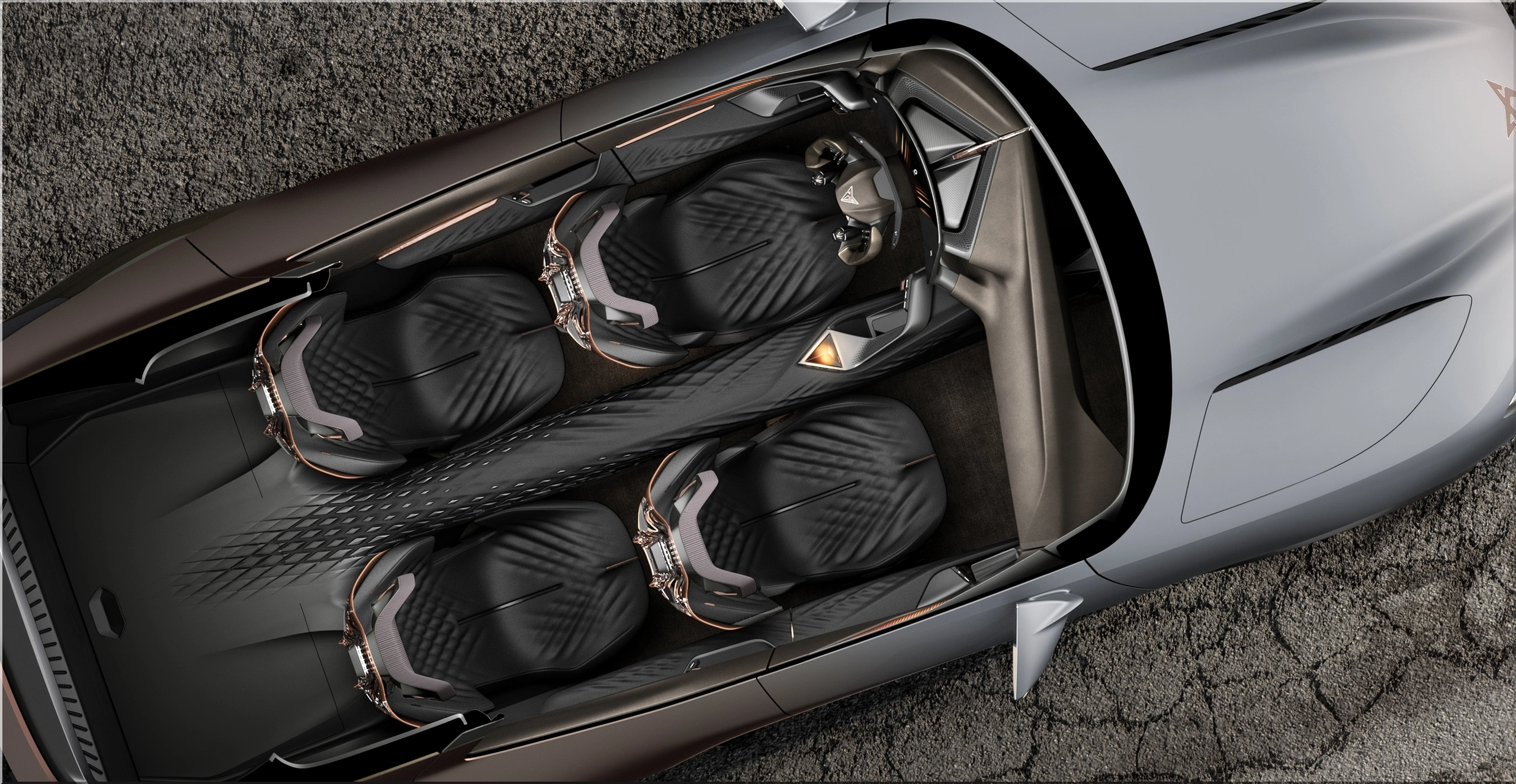
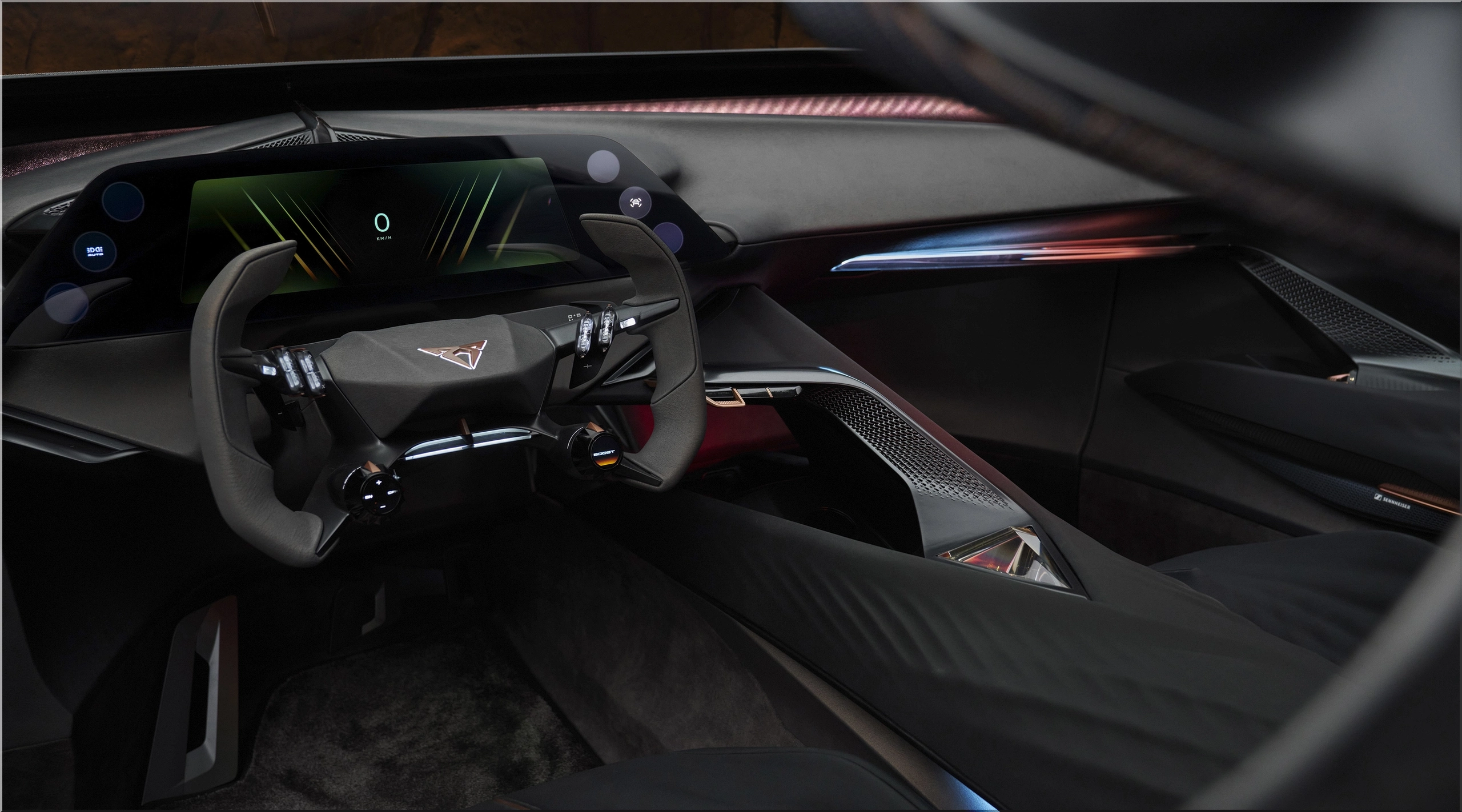
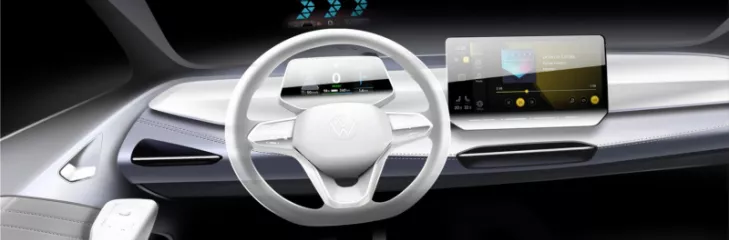
The interior keeps the driver at the center. Cupra replaces the usual console with a raised spine that runs through the cabin. The dashboard carries a slim 24-inch screen under the windshield. The steering device follows a squared-off format with physical buttons.
Cupra’s design team describes the driver zone as the “Driver Axis.” Translated again, it means the company wants drivers to face forward, touch fewer menus, and spend less time hunting for controls. Based on how many menus modern EVs require, this counts as innovation.
Passengers get enough space to remain comfortable. The vehicle uses a floating design theme inside the cabin with exposed structural elements. Cupra gives each seat reinforced bolsters. The rear area supports three adults without forcing them into a contest of shoulder compression.
Powertrain Strategy: Electric Range With Generator Support
The Tindaya uses a plug-in hybrid system built around two electric motors and a 1.5-liter petrol generator. Total output lands near 365 kW, or about 489 hp. The system powers all four wheels. Acceleration from 0 to 100 km/h takes around 4.1 seconds.
Electric range reaches about 300 km (186 miles). The generator extends total driving to more than 1,000 km (621 miles). That gives drivers flexibility if charging networks slow down progress. The hybrid design also avoids the mass associated with giant battery packs.
Charging speeds remain under wraps. The battery supports daily commuting. The generator steps in when distance grows. Cupra uses this architecture to target regions where full electric sales grow unevenly.
Platform Strategy: SSP Brings Shared Components
The Tindaya sits on the Volkswagen Group SSP platform. This structure supports battery-electric and hybrid-electric models. Cupra gains shared development, shared parts, and shared costs. This increases production efficiency once the vehicle enters mass production.
The SSP platform also supports a broad range of software systems. Cupra uses this to create a digital cockpit, streamlined driver-assistance features, and long-term software updates. Cupra needs a unified platform to remain competitive in markets where software updates influence buying decisions.
Production Reality: What Carries Over and What Disappears
Cupra calls the Tindaya a show car. Many elements enter production later, but not all. The rear-hinged doors disappear first. The yoke steering wheel goes next. The interior spine may survive in a reduced form. Cupra will keep the basic proportions, the front fascia signature, and the lighting design.
Expect normal door handles, a standard wheel, and a simplified cabin. Cupra may keep the 24-inch display, depending on cost. Materials in the concept look premium. Production materials balance cost with durability.
The final output depends on market conditions. Cupra prepares the Tindaya as a global model. That demands a flexible lineup with multiple trim levels, different power outputs, and pricing that fits diverse regions.
Key Metrics and Feature Snapshot
| Feature | Detail |
|---|---|
| Length | 4.72 m |
| Output | 365 kW (489 hp) |
| Drivetrain | AWD |
| Electric range | 300 km (≈186 miles) |
| Full range with generator | 1,000+ km (≈621 miles) |
| Acceleration 0–100 km/h | 4.1 seconds |
| Wheel size | 23 inches |
| Battery type | Plug-in hybrid with generator support |
What This Concept Signals for Cupra
Cupra uses the Tindaya to shape new design language. The brand wants sharp lines, confident surfaces, and strong proportions. The car supports hybrid-electric powertrains as a bridge toward broader electric adoption.
Cupra aims to remain competitive in markets where charging networks grow at uneven speeds. Buyers gain long electric range for daily driving, plus flexibility for long-distance trips. This configuration helps Cupra reach buyers transitioning from petrol models.
Software plays a larger role. SSP creates a tech foundation that aligns with upcoming models from Cupra and other VW Group brands. Cupra sees this as central to future performance and customer satisfaction.
Conclusion
The CUPRA Tindaya concept offers a preview of Cupra’s design, technology, and market plans. The SUV mixes electric capability with long driving range through a generator system. The design remains bold and sharp. The cabin stays focused on the driver. The platform supports future models across global markets.
Cupra wants to grow its presence with vehicles that support fast acceleration, flexible driving, and a design that communicates purpose without excessive drama. The Tindaya points toward that future. If the company holds this course, the next mid-size Cupra SUV arrives with electric-first engineering, strong performance, and styling that commands attention without needing to raise its voice.